
Demand at Ōtara overnight clinic more than double forecast
Taelegalolo'u Mary AfemataMon, 31 Aug
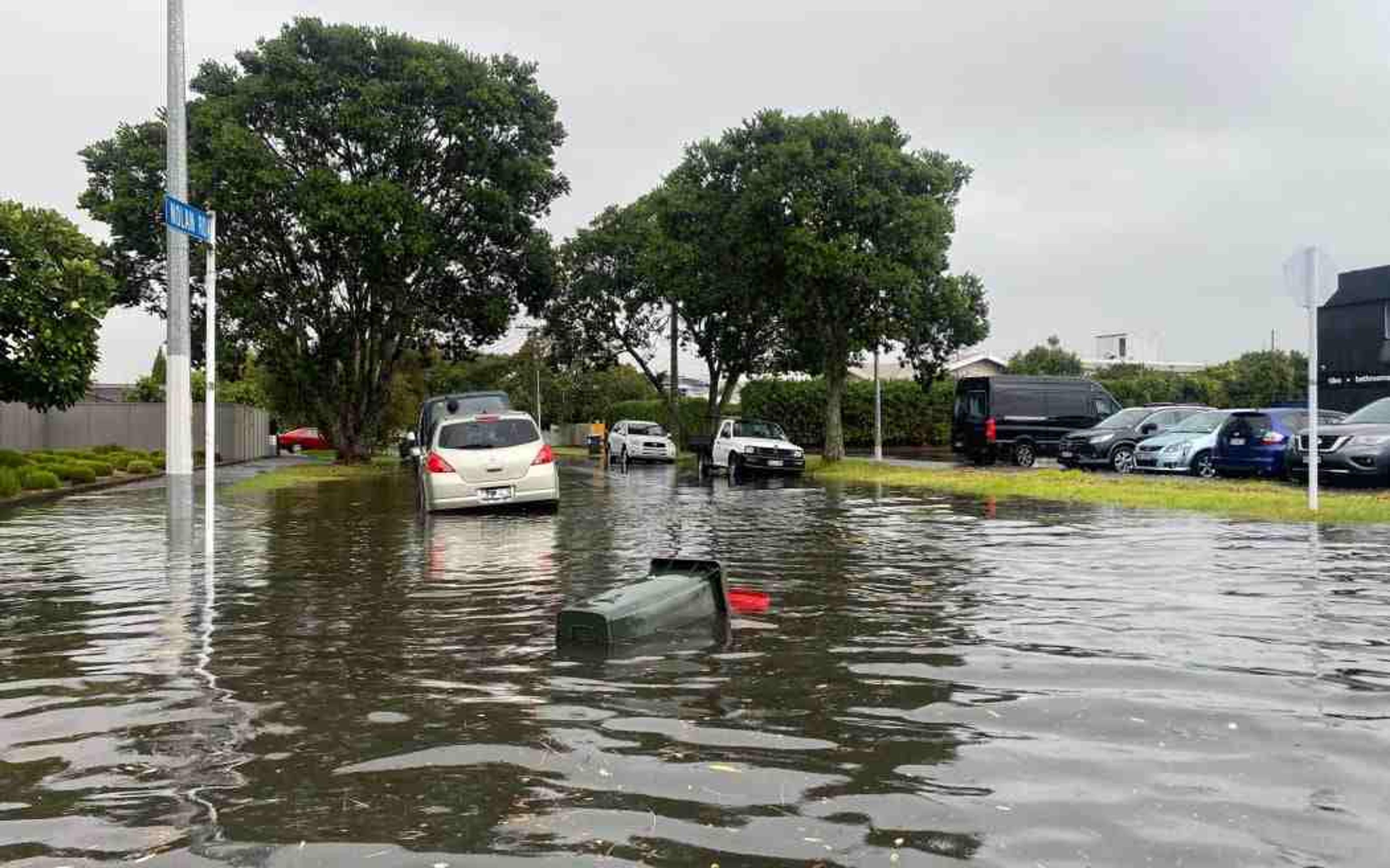
New Zealand is facing growing climate risks, with the Climate Change Commission warning the country needs to do more to prepare for the impacts of climate change.
Photo/RNZ
The ACT leader is defending his party’s plan to abolish the Climate Change Commission, arguing its work has not delivered enough for the money spent.



ACT leader David Seymour says abolishing New Zealand’s Climate Change Commission, He Pou a Rangi, would be better for the Pacific despite growing concerns across the region about the effects of climate change.
ACT announced last week that it wants to disestablish the commission and move its monitoring and reporting work to an existing government ministry.
The party says the commission has cost taxpayers $100 million since it was established and a further $14-15m a year to operate.
Seymour defended the move in an interview with William Terite on Pacific Mornings, saying the commission had not shown enough benefit for its cost.
“Since then, we've spent another $45 million on it and nobody can say what benefit it has delivered."
The commission provides independent advice on New Zealand’s emissions budgets, climate targets, and progress towards reducing emissions.
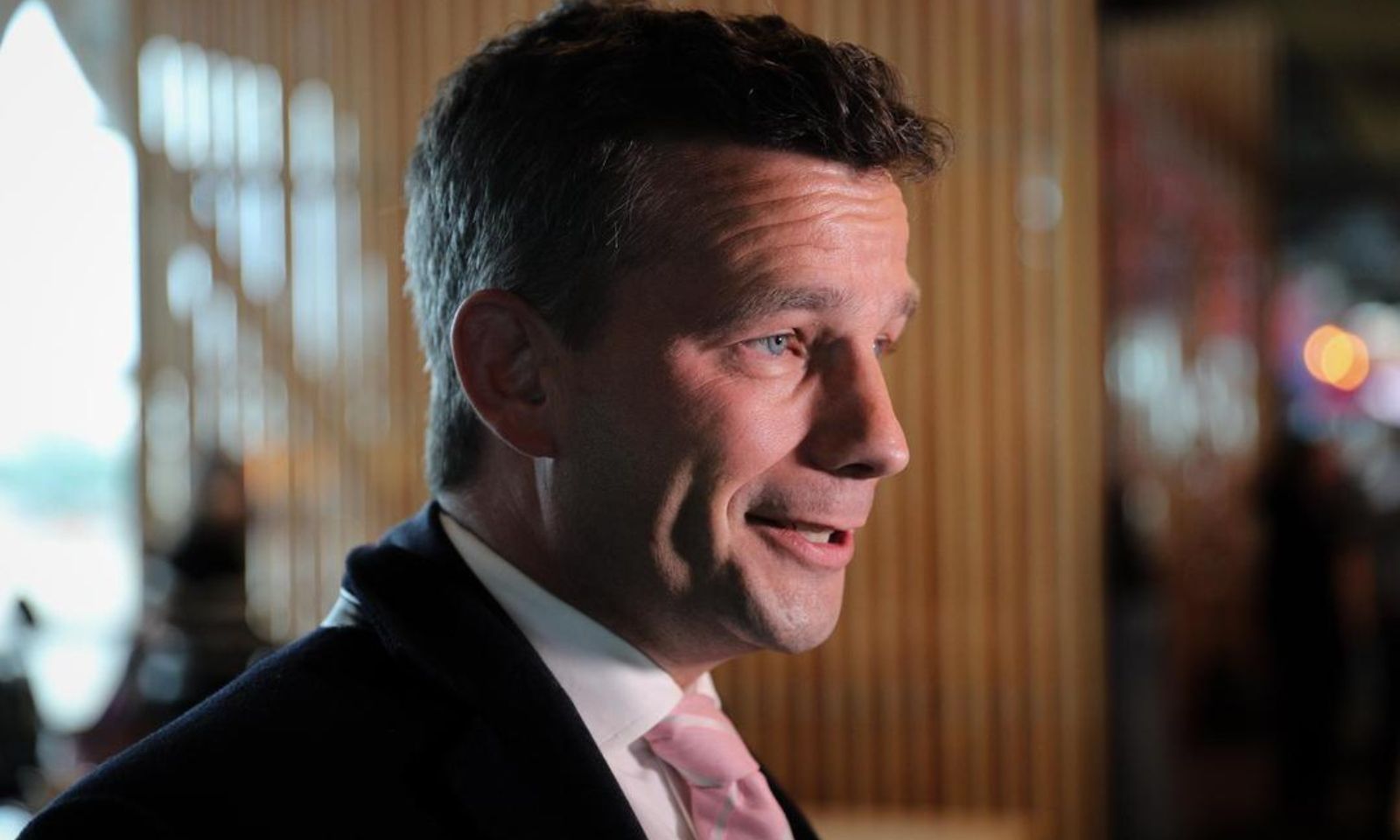
ACT leader and Deputy Prime Minister David Seymour is backing his party’s push to abolish the Climate Change Commission. Photo/Supplied
Its latest monitoring report, released in July, assessed Aotearoa’s progress towards its emissions budgets and 2050 target.
Seymour says some of its advice, particularly around agriculture, could have the opposite effect to what is intended.
“It has modelled a range of scenarios and made recommendations that even the Labour Party don't take seriously,” he said.
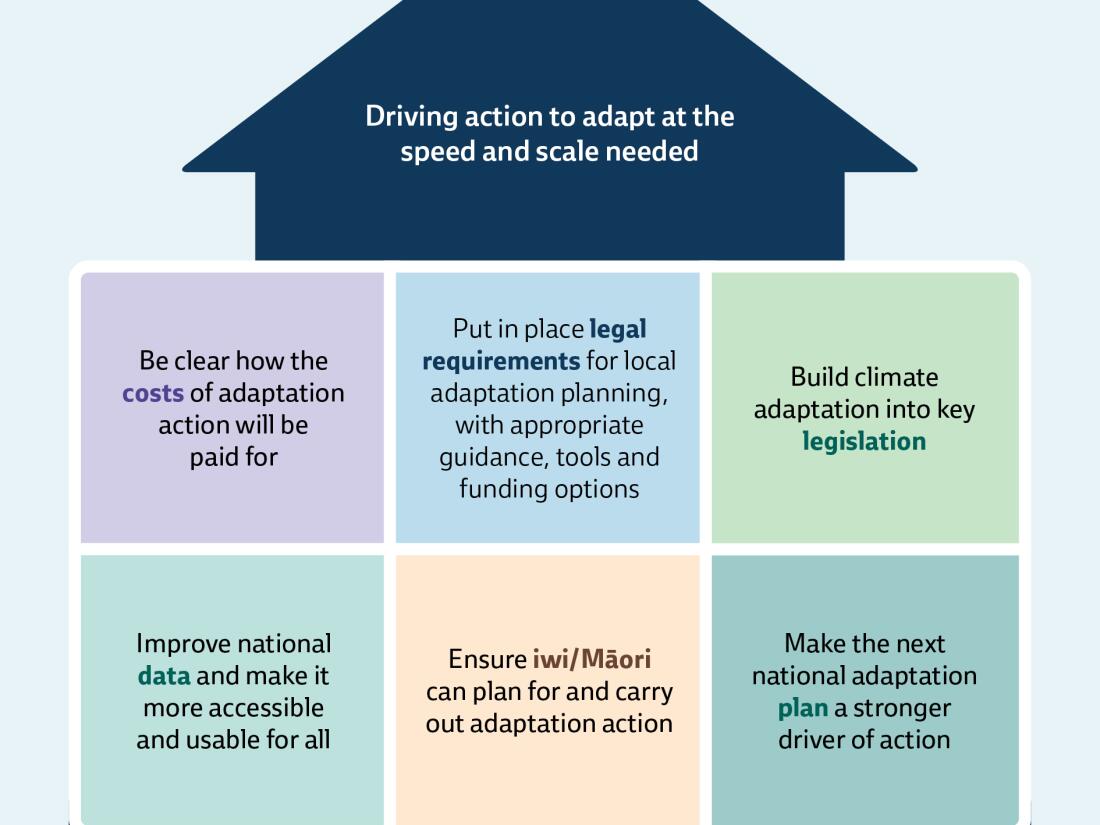
The Climate Change Commission provides independent advice on New Zealand’s emissions budgets, climate targets and progress towards reducing emissions. Photo/Climate Change Commission, NZ
He singled out advice about reducing New Zealand’s dairy herd.
“That's just crazy because that means people will keep buying milk and butter and cheese and baby formula from other countries where they actually emit more methane to produce the same amount of product.”
Seymour was challenged on what the move would mean for Pacific communities where climate change is already affecting island nations through rising seas, extreme weather, and other risks.
“Well, it's not obvious what the Climate Change Commission has done to help Pacific communities.”
He argues New Zealand’s climate policies need to look beyond the country’s own emissions.
“One of the things about the Climate Change Commission is they don't look at it as a global problem. They only look at how New Zealand could reduce its emissions.”

Green MP and Pacific Peoples spokesperson Teanau Tuiono has warned climate change is an existential threat facing Pacific people. Photo/Parliament TV
Seymour says shifting food production offshore could increase global emissions if it moves to countries with less efficient farming practices.
“So from a Pacific point of view, you definitely want to get rid of it.”
But Green MP and Pacific Peoples spokesperson Teanau Tuiono has previously described climate change as an existential threat for Pacific people.
“They’re just focusing on all the wrong things and we are Pacific peoples and the existential threat that faces us as Pacific peoples in the Pacific is climate change.”
Tuiono's comments were made previously and were not in response to Seymour’s latest proposal.
The ACT leader's comments come as the commission warns climate risks are growing and New Zealand is not adapting quickly enough.
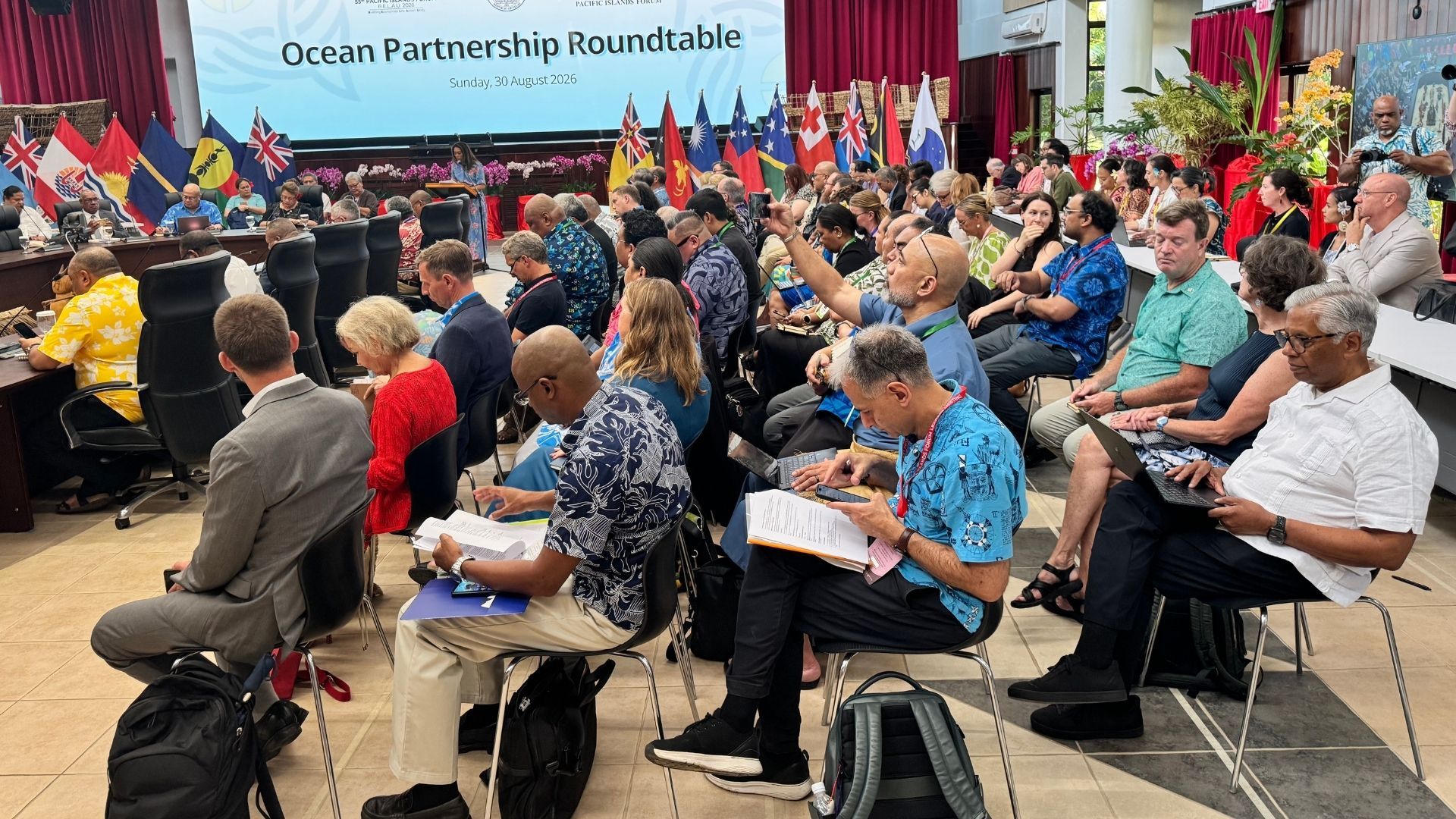
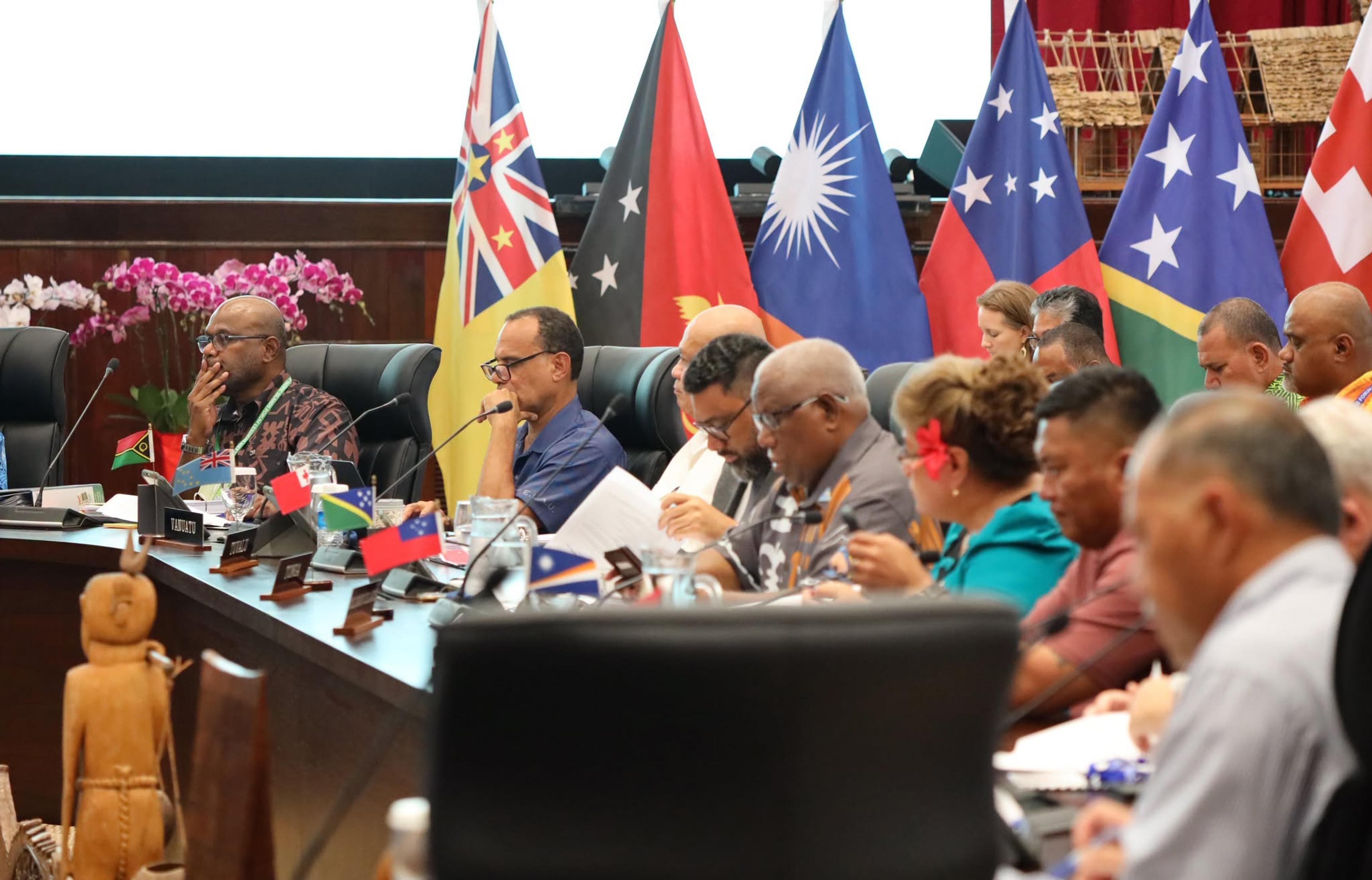
Pacific leaders and representatives gather in Palau for the Pacific Islands Forum, where climate change and regional resilience are among the key issues on the agenda. Photo/PMN News/Thomas Tarurongo Wynne
In an assessment released last month, it said action to prepare for climate change was not keeping pace with the risks facing the country.
The Pacific climate debate is also playing out at the regional Forum leaders meeting in Palau where the Pacific Resilience Facility (PRF) has now become an operational legal entity.
PRF General Manager Finau Soqo says 14 of the 15 original signatory countries have ratified the treaty, allowing the facility to move ahead with its governance and financial systems.
The facility is now working to collect US$173m (NZ$292m) in existing pledges while seeking a further US$327m (NZ$552.66m) to reach its US$500m target.
The PRF has also begun its first Community Impact Demonstration Grants, with funding going directly to local communities in Tonga and Palau for climate adaptation and disaster resilience projects.
The Pacific-owned facility is designed to provide long-term funding for communities dealing with climate and disaster risks, without adding to national debt.

Distinguished Professor Steven Ratuva, a Climate Change Commissioner and Pacific climate expert, has described the impacts of climate change across the region as a “climate crisis”. Photo/Supplied
Professor Steven Ratuva, a Climate Change Commissioner and Pacific climate expert, has previously described what is happening across the region as a “climate crisis” - pointing to rising seas, extreme weather, ocean warming and damage to coral reefs.
Speaking about Pacific climate adaptation, Ratuva said the region was “at the forefront of some of the dramatic and very, very transformative impacts of climate change”.
Seymour rejected claims ACT is denying climate change, saying the argument is about how New Zealand should respond.
“I wish we had a higher standard of debate in New Zealand. I mean, this is not a debate about whether climate change is real.
"It's a debate about how New Zealand should respond.”
Watch David Seymour's full interview below.
ACT’s plan would transfer responsibility for monitoring Aotearoa’s emissions targets to the Ministry for Cities, Environment, Regions and Transport, which already manages the country’s greenhouse gas inventory and Emissions Trading Scheme.
Seymour says the Government needs to be more careful with public money. “We just say, look, the $15 million a year has been wasted. It's cost $100 million in total so far.”
The debate is about more than the cost of one government agency. New Zealand’s climate choices are closely watched across the region where Pacific leaders have repeatedly called for stronger action to limit climate damage and support communities facing its impacts.