
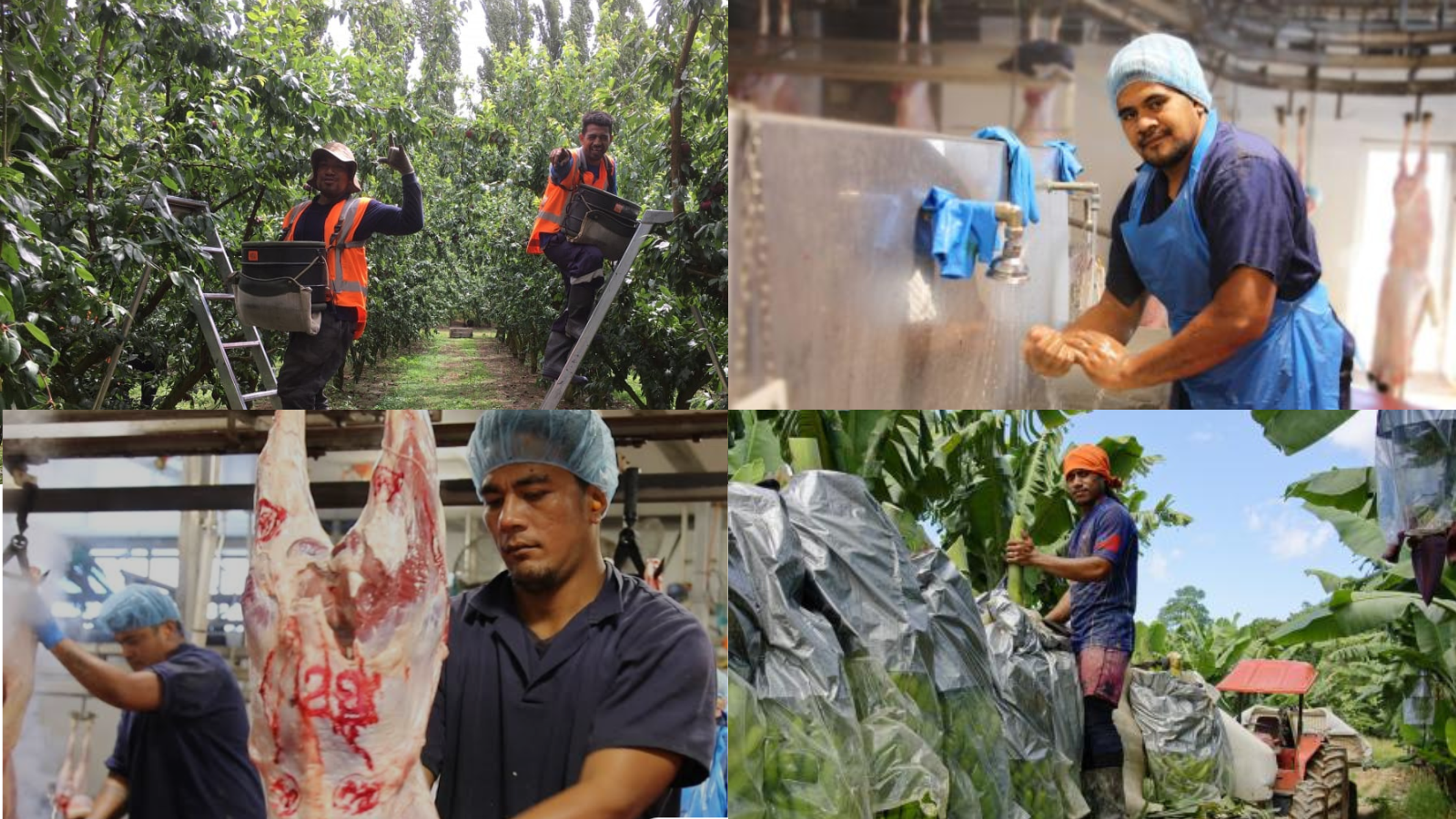
Nearly half of the 408 businesses surveyed reported losing staff to the RSE, PALM or StarKist pathways over the past two years.
Photo/File
Pacific Region
New survey exposes Sāmoa's labour gap as businesses lose skilled workers, youth miss out
Nearly half of businesses surveyed have lost staff and employers say they still cannot fill skilled jobs despite thousands of young Sāmoans remaining outside work, education or training.
Renate Rivers
Published
06 July 2026, 3:19pm
Share
Copy Link



Sāmoa’s employers say they are caught in a growing labour squeeze with skilled workers leaving for overseas jobs while many young people at home are struggling to find a pathway into work.
A new nationwide business survey has found almost half of employers have lost staff to labour mobility schemes over the past two years.
The findings have prompted calls for stronger skills training and better support for local businesses.
The Samoa Chamber of Commerce and Industry-Market Development Facility (SCCI-MDF) Labour Migration Survey Report 2025-2026, released by the SCCI in Apia last week, found 47 per cent of 408 businesses surveyed had lost workers through New Zealand’s Recognised Seasonal Employer (RSE) scheme, the Pacific Australia Labour Mobility (PALM) or employment with StarKist.
SCCI President Fa'asootauloa Sam Saili said the findings should not be seen as a criticism of labour mobility.
"Labour mobility is an important part of Sāmoa's development story, but it must be supported by stronger domestic workforce planning and private sector resilience," he said at the launch.

Guests at the Apia launch of a survey that found skilled and semi-skilled workers were the hardest hit by overseas departures. Photo/Supplied.
He said the report calls for a more balanced approach that supports workers, families, employers and the wider economy.
The survey found skilled workers were the hardest hit, with 79 per cent of businesses providing role-specific information saying they had lost experienced staff.
Semi-skilled workers were the next biggest group affected at 41 per cent.

Employers say the departure of skilled workers is driving up wages and denting productivity across the economy. Photo/LEEP.
Businesses reported a combined 2375 resignations across 2023 and 2024.
The impact is already being felt. More than a third of businesses, 36 per cent, reported they had increased wages or offered incentives such as accommodation, meals and flexible working hours to retain staff while almost one in three reported lower productivity.
The findings also highlight a challenge within Sāmoa’s own labour market.
While employers say they cannot find enough skilled workers, the 2022 Sāmoa Labour Force and Child Labour Survey found youth unemployment stood at 13.4 per cent while 30.1 per cent of young people were not in employment, education or training.
The report says the answer is not simply a bigger workforce but a better-trained one. Businesses identified vocational and technical training as the single most important support needed to help fill skills shortages.
The issue comes as labour mobility continues to deliver major economic benefits. Sāmoa’s 2026/27 Budget recorded remittance inflows of ST$900.6 million (NZ$570 million) in 2024/25.
Political leaders have acknowledged the pressure the schemes are placing on the domestic workforce.
During parliamentary debate last month, Prime Minister Laaulialemalietoa Leuatea Polataivao Schmidt said the lack of clear policy guidelines for labour mobility had contributed to the departure of not only unskilled workers, but also teachers, police officers, nurses and hospitality staff.
The survey also found support for affected businesses. Only seven businesses or 1.7 per cent of respondents said they had received government or donor assistance while 21 per cent were unaware any support was available.
John Lemoa, SCCI's Chief Executive, says the survey moves the conversation "from general concern to practical action", and will help guide the chamber's work with businesses and policymakers.
Funded by the Australian government through the Market Development Facility, the report recommends improving workforce planning, expanding vocational training and making it easier for businesses to access support.

John Lemoa, SCCI's Chief Executive, says the report will guide the chamber's advocacy for Sāmoa's private sector. Photo/Supplied.
New Zealand's RSE scheme recruited around 3800 Sāmoan workers in 2024-25, while Australia's PALM scheme counted 3120 as of April 2026, underlining how central both pathways have become to Sāmoa's workforce.
Australian High Commissioner to Sāmoa, Will Robinson, said at the report’s launch that Canberra recognised the “dual reality of both benefits and challenges” of labour mobility for participating nations.
Instead of questioning the value of labour mobility, the report argues Sāmoa’s next challenge is ensuring it can train enough skilled workers at home to meet the needs of both its economy and the opportunities available overseas.