Seymour targets office karakia as Aupito warns of a ‘culture war’
Thomas Tarurongo WynneFri, 23 Oct
While the court-martial focuses on internal military justice, questions remain in Sāmoa about environmental impacts, compensation and whether the concerns of affected communities have been fully addressed.
Photo/NZDF/AC J Somerville
Three Royal New Zealand Navy officers face military charges while villages near the wreck site raise concerns about fishing grounds, compensation and reef damage.

Three Royal New Zealand Navy officers will face court-martial proceedings over the loss of HMNZS Manawanui, which struck a reef and sank off the coast of Safata, Sāmoa, in October 2024.
The decision to pursue military legal action follows findings of a New Zealand Court of Inquiry into the grounding, which occurred in Sāmoa’s maritime jurisdiction and caused a significant diesel and oil spill.
Sāmoa MP for Safata II, Tuia Logoiai Pu’a Leota, told PMN News that the court-martial was an internal matter for New Zealand, with communities in the district more concerned about compensation and the ongoing impact on coastal areas.
“It's an internal process for the New Zealand Government,” Tuia said. “Our main concern is how we are compensated for the disasters and what's happening to our shore.
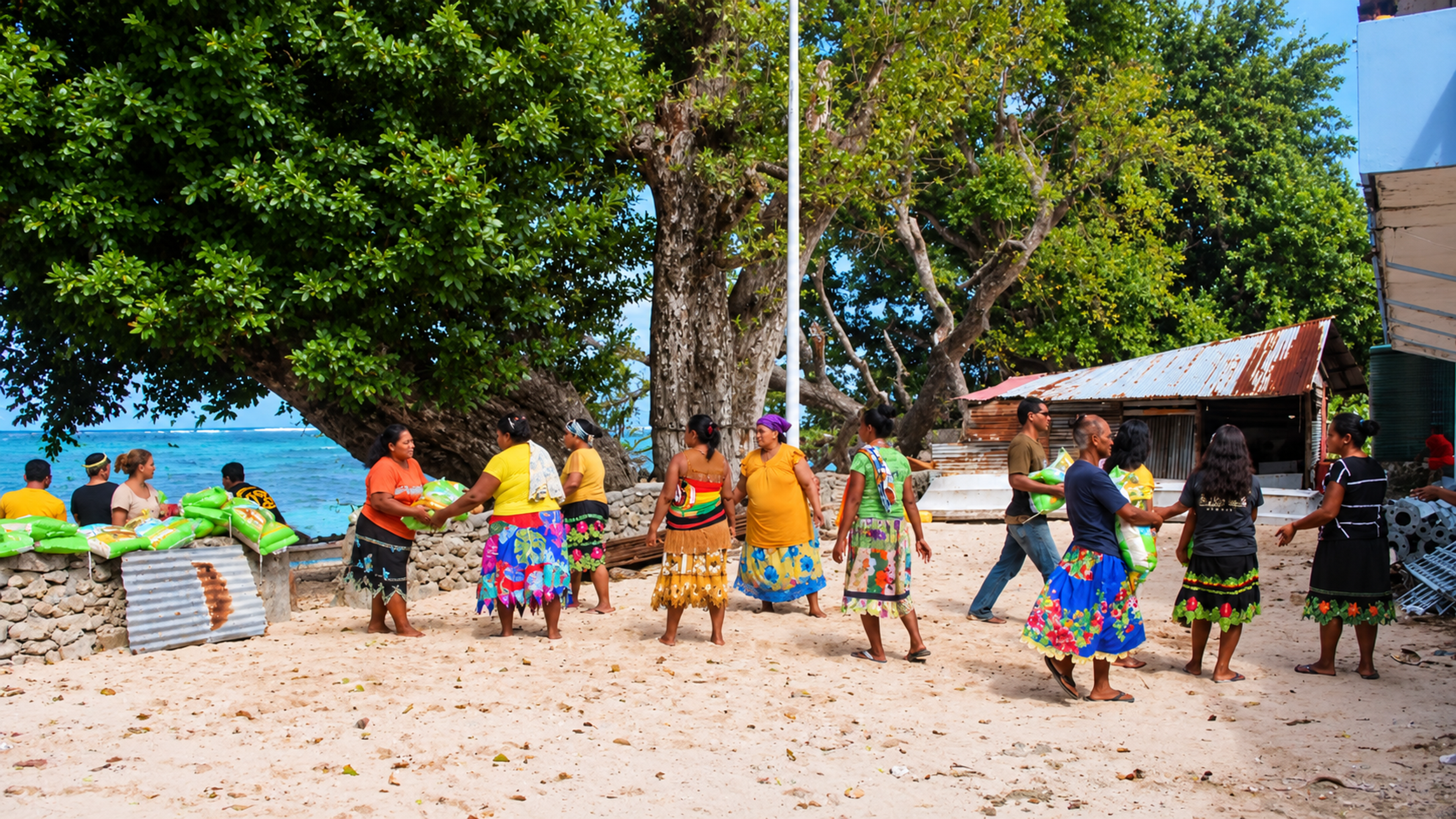
“The whole district of Safata is affected,” he said, adding that families had experienced disruptions to fishing grounds and livelihoods.
Tuia said surveys of Safata residents had recently been completed as part of the distribution process for a ST$10 million (NZ$6m) compensation package announced after the incident, with payments expected to be deposited directly into family bank accounts.
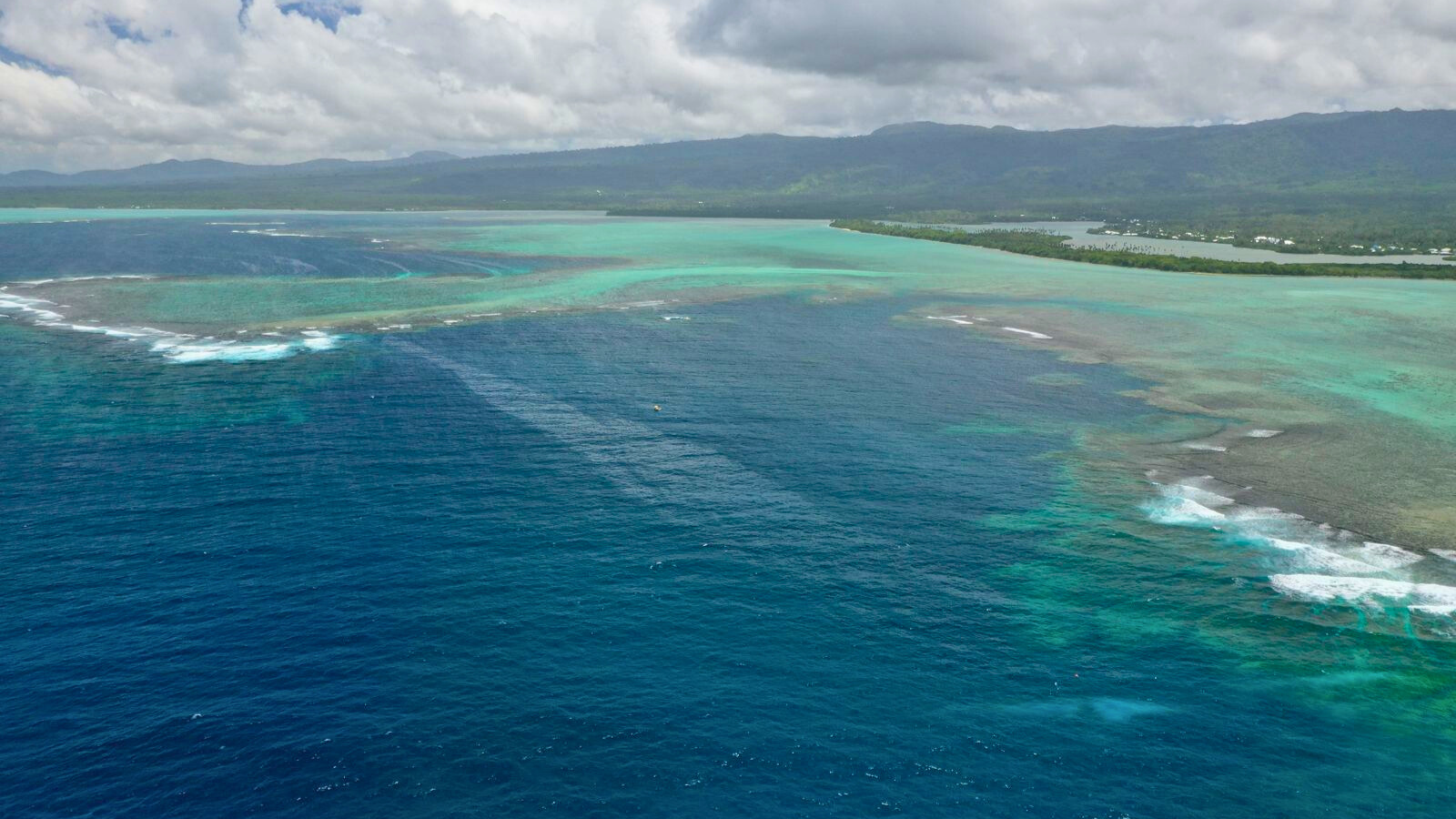
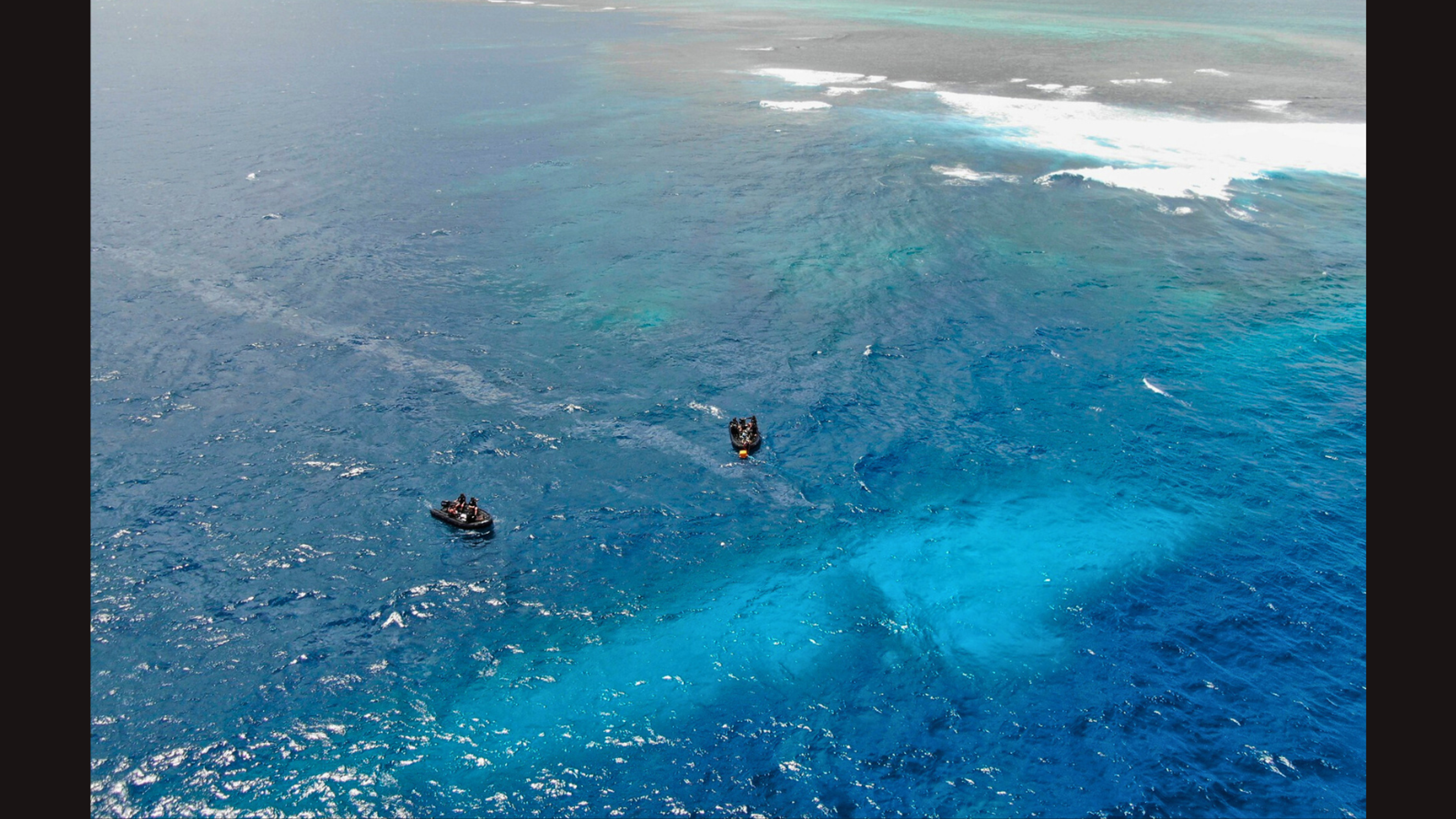
A slick of diesel fuel leaking from the sunken Manawanui, seen aerial shots in October 2024. Photo/MWTI-Sāmoa
But the issue is far from over, the MP said. “I don't think this is the end of it on our side. The disaster will continue on.”
Dr John Battersby, a senior fellow at the Centre for Defence and Security Studies, told Pacific Mornings that the move to court-martial was “almost inevitable” given the rarity of losing a major naval asset in peacetime. “It is almost unheard of that in peacetime a high-level asset like a naval vessel is lost, and there is no investigation that follows,” he said.
Battersby said that while the inquiry considers systemic and contributing factors, the court-martial process focuses on individual responsibility. “When a vessel is lost, responsibility ultimately rests with the commanding officer,” he said, adding that court-martial charges give the accused an opportunity to answer the allegations before a formal military tribunal, a process that is “not a foregone conclusion”.
Watch the Pacific Mornings interview below with Dr John Battersby:
The officers charged include Commander Yvonne Gray and Lieutenant Commander Matthew Gajzago, alongside a third officer of the watch at the time of the grounding. Details released publicly indicate that the charges relate to allegations of negligence in the command and operation of the vessel, including failures to perform duties and decisions linked to the loss of the ship.
Some residents in Tafitoala village say the environmental and economic effects of the sinking are still felt more than a year later.
According to a Sāmoa Observer report, Tafitoala pulenuu (mayor) Taloaileono Vasasou said villagers had noticed changes in their fishing grounds since the vessel sank. “Everyone has seen the effects this has had,” he said. “We don’t see the usual fish around our waters anymore.”
Villagers have also raised concerns about the compensation package announced after the incident, with some saying they are still waiting for payments.
Some residents said the court-martial charges against the naval officers were justified. “If they cannot take the ship away from here, then they should be charged,” Tafitoala resident Taula Leka Leituala told the Observer.
The legal process marks a significant moment for the Royal New Zealand Navy, which must reconcile command accountability with operational continuity and regional engagement.
The Manawanui incident has also raised environmental and diplomatic questions, as the grounding occurred within Sāmoa’s maritime jurisdiction. Pacific observers have raised concerns about reef damage, fuel contamination, and sovereignty over maritime spaces.
While the court-martial focuses on internal military justice, questions remain in Sāmoa about environmental impacts, compensation and whether the concerns of affected communities have been fully addressed.
Battersby said the proceedings underline the seriousness of command responsibility across defence forces. He added that systemic issues identified in the inquiry, including procedural, technological or training gaps, will need to be addressed to prevent similar incidents in future.
PMN News has approached the Sāmoa Government for comment on the court-martial proceedings and related questions of accountability, jurisdiction, and whether, from Sāmoa's perspective, the sinking and its aftermath are resolved.