‘Soul resuscitation’: Pioneering Vagahau Niue and cultural connection down South
Atutahi Potaka-DewesFri, 23 Oct
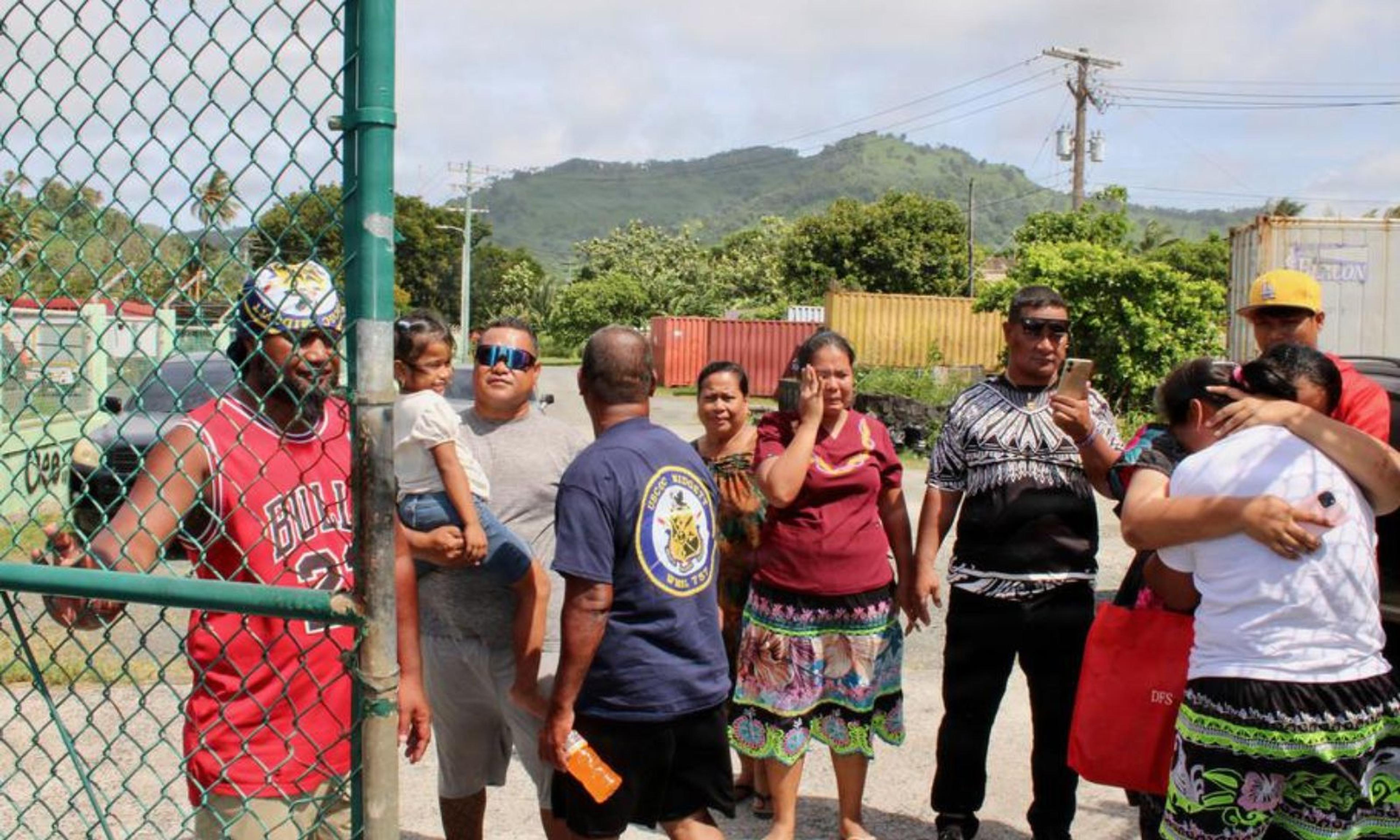
Emotional scenes as family members welcome home three relatives rescued after a week adrift at sea near Chuuk, Micronesia.
Photo/US Coast Guard/James Warguez
A small skiff, no radio, and rough seas as a family drifting in Micronesia is rescued against the odds after seven days in the open ocean.


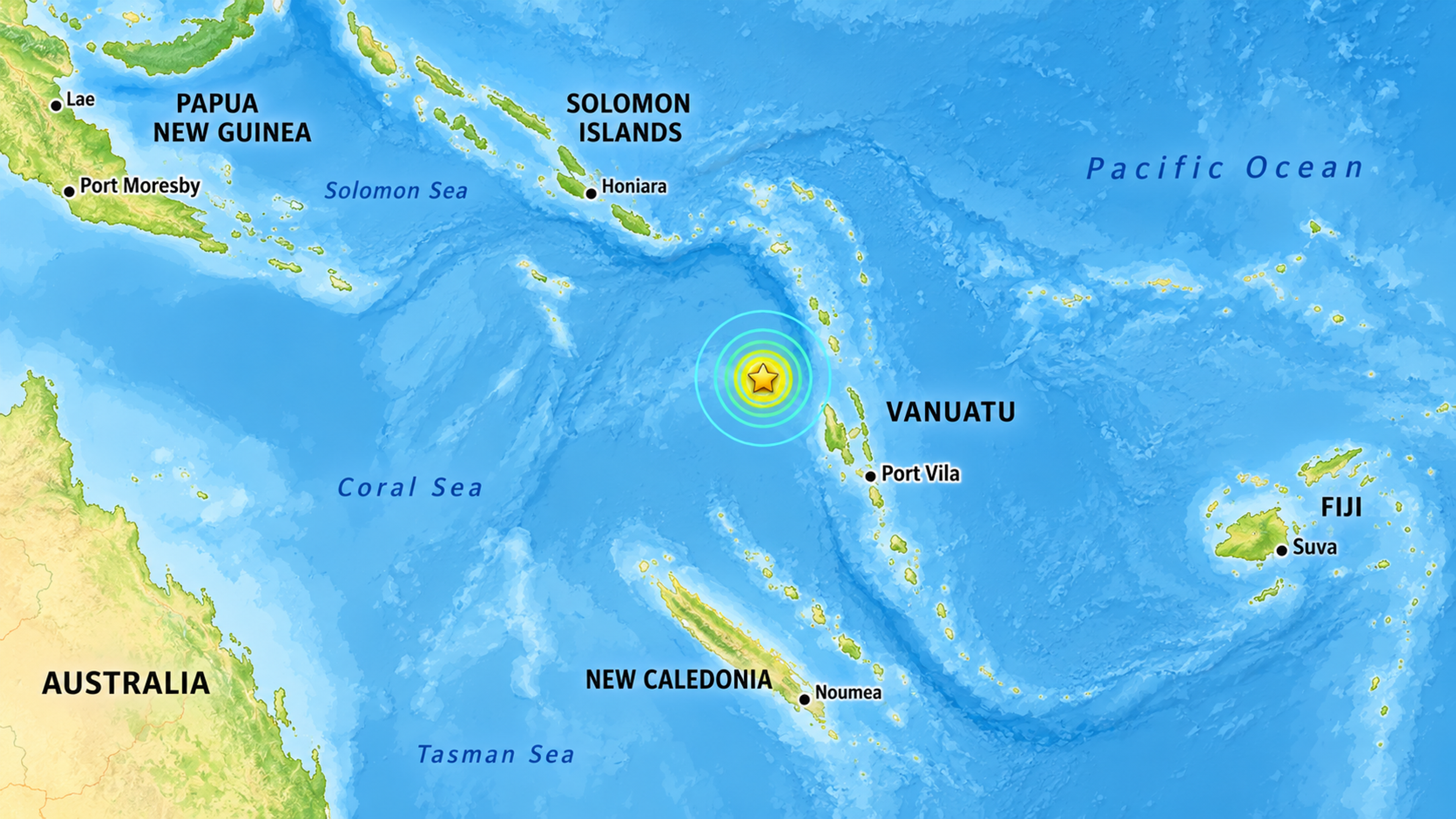

A family of three was rescued after spending a week adrift in rough Pacific waters.
Officials say the case highlights the risks of island travel and the sheer scale of the region’s ocean.
The two men and one woman set out on 30 March from Fananu Island in Chuuk State, Federated States of Micronesia, heading for Murillo Island.
The journey of about 31-nautical miles should have taken a day but when their boat’s single outboard motor failed, they were left stranded at sea with no radio and no way to call for help.
From that first day, they drifted. For seven days, the family endured open ocean conditions with waves reaching up to 10 feet.
Officials said search efforts later covered more than 14,000 square miles, a vast stretch of water where a 23-foot skiff could easily be missed.
The breakthrough came just after midnight on 6 April when crew aboard the United States Coast Guard cutter, Midgett, spotted the small boat off Chuuk State.
All three were found alive and uninjured. They were later flown by helicopter to Weno, the main centre of Chuuk, bringing a safe end to what could have been a very different story.
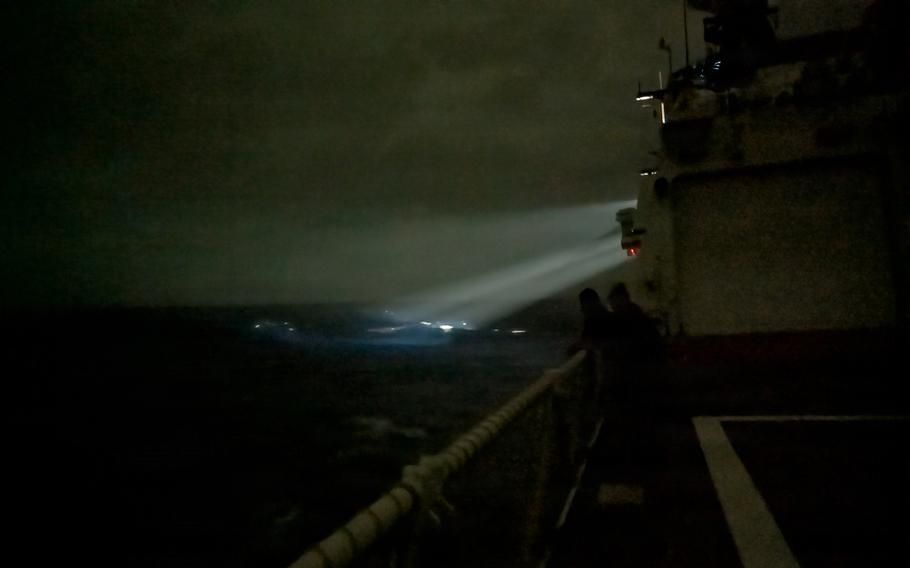
The US Coast Guard locates a 23-foot skiff drifting in rough seas off Chuuk State, FSM, after the family onboard went missing for seven days. Photo/US Coast Guard/Lauren Taber
“It’s our belief that the initial engine issue took place that first day and they were adrift from then on,” Sara Muir, Chief Warrant Officer and spokesperson for Coast Guard Micronesia/Sector Guam, said in a Stars and Stripes’ report.
“It doesn’t sound like they had a tonne of supplies. But most of the time when folks go to sea like this, they do take equipment to fish so they’re able to take care of themselves during that time.”
Officials believe the family's survival likely depended on that: basic fishing gear and experience, something common across Pacific island communities where the ocean is part of daily life.
The rescue itself was a coordinated effort. A Coast Guard HC-130 aircraft flew in from Hawai'i and another cutter, the Frederick Hatch, was sent from Guam.
But it was the Midgett, already patrolling nearby waters, that made the crucial sighting.
“[Search-and-rescue] cases like this one are not routine for our platform,” Captain Brian Whisler, the cutter’s commander, said in a statement. “Our bridge watchstanders spotted the small skiff in rough seas just after midnight, and that kind of situational awareness does not happen by accident.
"It is what this crew trains for, and I could not be prouder of how they performed.”
Officials also say the cutter’s presence in the area made all the difference.
“This rescue reflects the strategic value of maintaining a capable surface presence across the region’s vast maritime expanse,” Lieutenant-Commander Derek Wallin, the Coast Guard’s search-and-rescue mission coordinator, said in the report.
“Without the Midgett’s proximity, coordinating a search across more than 14,000 square nautical miles of open ocean would have required significantly more time and resources time the three missing people may not have had.”
In a region where travel by small boat is routine, the story is a reminder of how quickly things can go wrong and how far from help people can find themselves.
This time, help arrived just in time.