
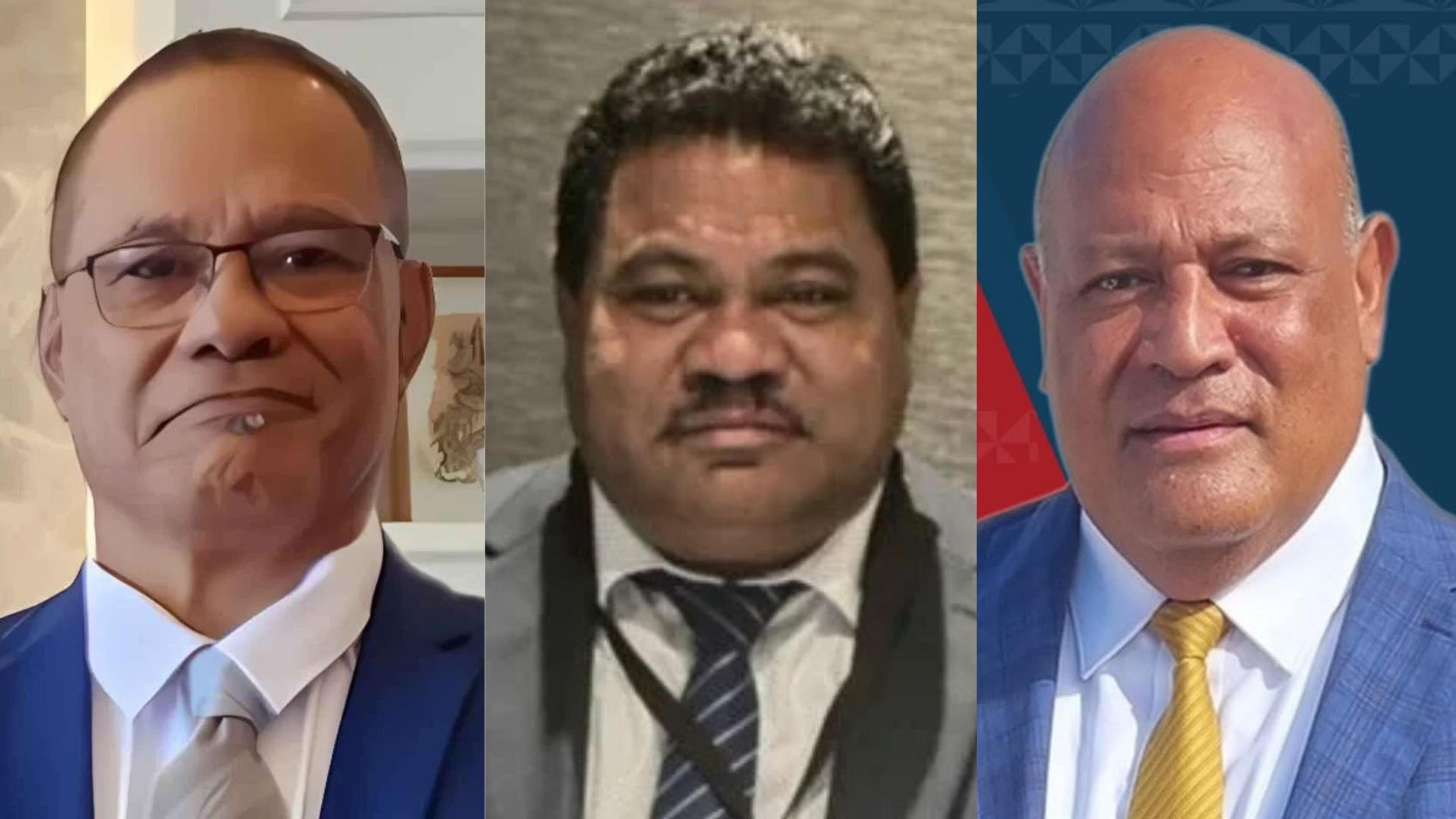
Tongan Lands Minister Dr Taniela Fusimalohi, Finance Minister Lata Tangimana and Tourism Minister Semisi Sika — three cabinet figures at the centre of election bribery convictions linked to the 2025 general election.
Photo/Supplied/PMN News composite
Law & Order
Tonga Election Scandal: third cabinet minister found guilty of bribery
The government is under pressure as Dr Taniela Fusimalohi is convicted of election bribery amid possible byelections and a wider cabinet shakeup.

Christine Rovoi
Published
10 June 2026, 12:33pm
Share
Copy Link
Top stories

Tofiga Fepulea’i brings the laughs while taking top honours at Arts Pasifika Awards
Aui'a Vaimaila Leatinu'uFri, 23 Oct

‘It kind of breaks my heart’: Kiwis run riot after Cook Islands’ brave start
Latonya LoleSun, 25 Oct
Top stories
Tofiga Fepulea’i brings the laughs while taking top honours at Arts Pasifika Awards
Aui'a Vaimaila Leatinu'uFri, 23 Oct
‘It kind of breaks my heart’: Kiwis run riot after Cook Islands’ brave start
Latonya LoleSun, 25 Oct
Tonga’s government is under increasing strain after a third cabinet minister was found guilty of election bribery linked to the 2025 general election.
The latest development follows a series of court rulings that could trigger by-elections and reshape the country’s leadership.
Lands Minister Dr Taniela Fusimalohi has been found guilty of electoral bribery after providing a Starlink terminal to his constituency during the campaign period, ABC Pacific reported.
On Monday, the court found the act amounted to electoral bribery.
Fusimalohi becomes the third senior minister in government to be convicted over election-related misconduct, deepening what is now a growing political and legal crisis in Nukuʻalofa.
Earlier rulings found Tourism Minister Semisi Sika guilty of failing to declare a TOP$10,000 (NZ$7075) payment to a dance academy, which prosecutors argued was also an attempt to influence voters.
Speaking after the ruling, Sika defended the transaction saying the omission was a “good faith” mistake rather than a deliberate attempt to influence voters.
He said family members had attended the academy and that he had a long history of supporting local community groups.
But the court made clear that intent or cultural context does not override Tonga’s strict election laws.
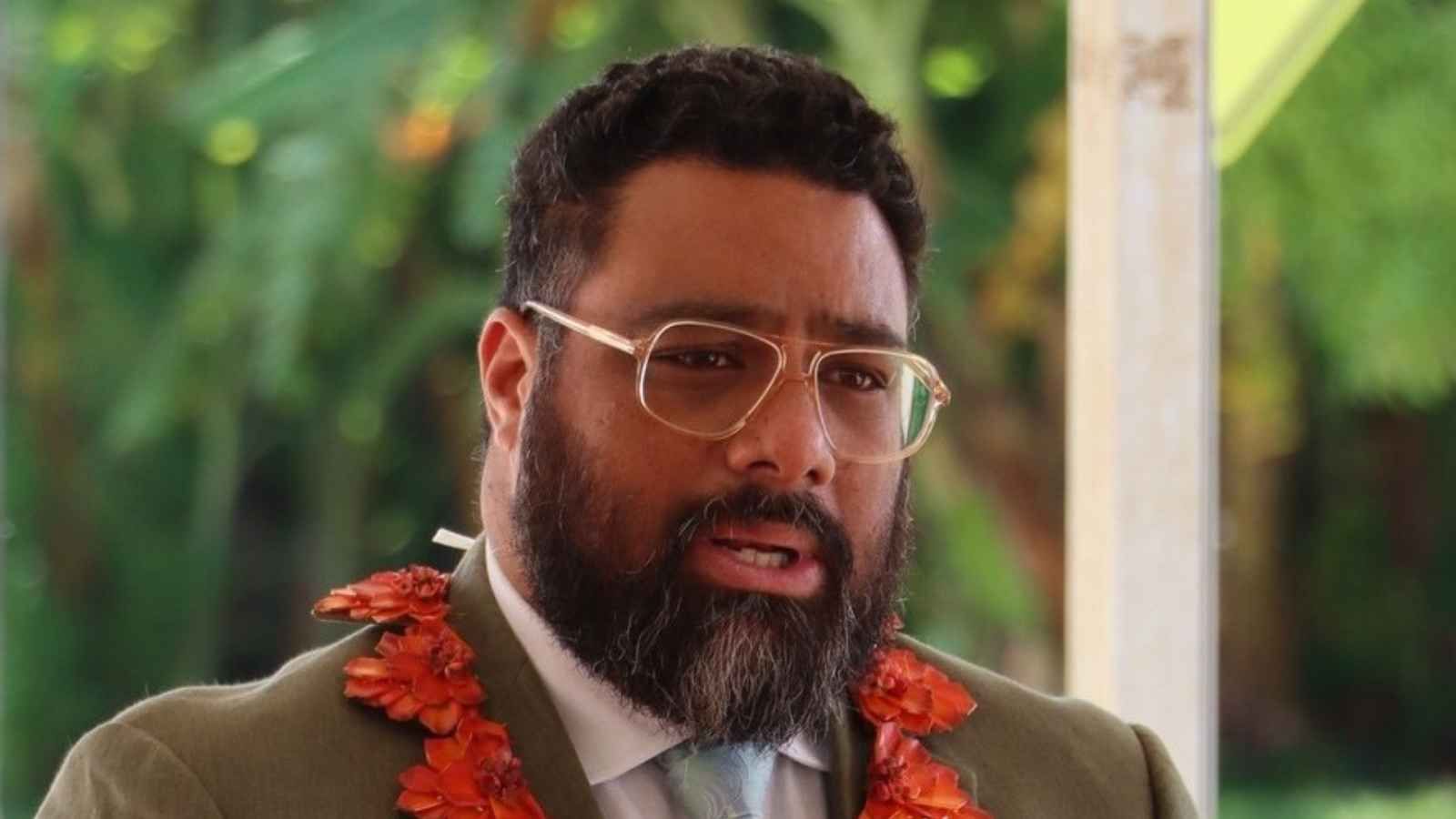
Prime Minister Lord Fakafanua's government is facing mounting pressure following a series of court rulings involving senior cabinet ministers. Photo/RNZ Pacific
Finance Minister Lata Tangimana was separately convicted for providing fish to constituents during the election period.
He has since resigned his portfolio but remains a Member of Parliament while appealing the ruling.
Deputy Prime Minister Dr Viliami Latu was cleared by the Supreme Court, which dismissed an election petition against him due to insufficient evidence.
While the government has not yet commented on the most recent rulings, Prime Minister Lord Fakafanua previously addressed the issue at a formal press conference in the capital after the first ministerial conviction.
At that time, he confirmed he had accepted the immediate resignation of Tangimana after a court found him guilty of indirect bribery linked to the 2025 election.
“The Minister of Finance, Lata’ifaingata’a Tangimana, has resigned from Cabinet following a court ruling that found him guilty of indirect bribery during the 2025 general election,” Fakafanua said.
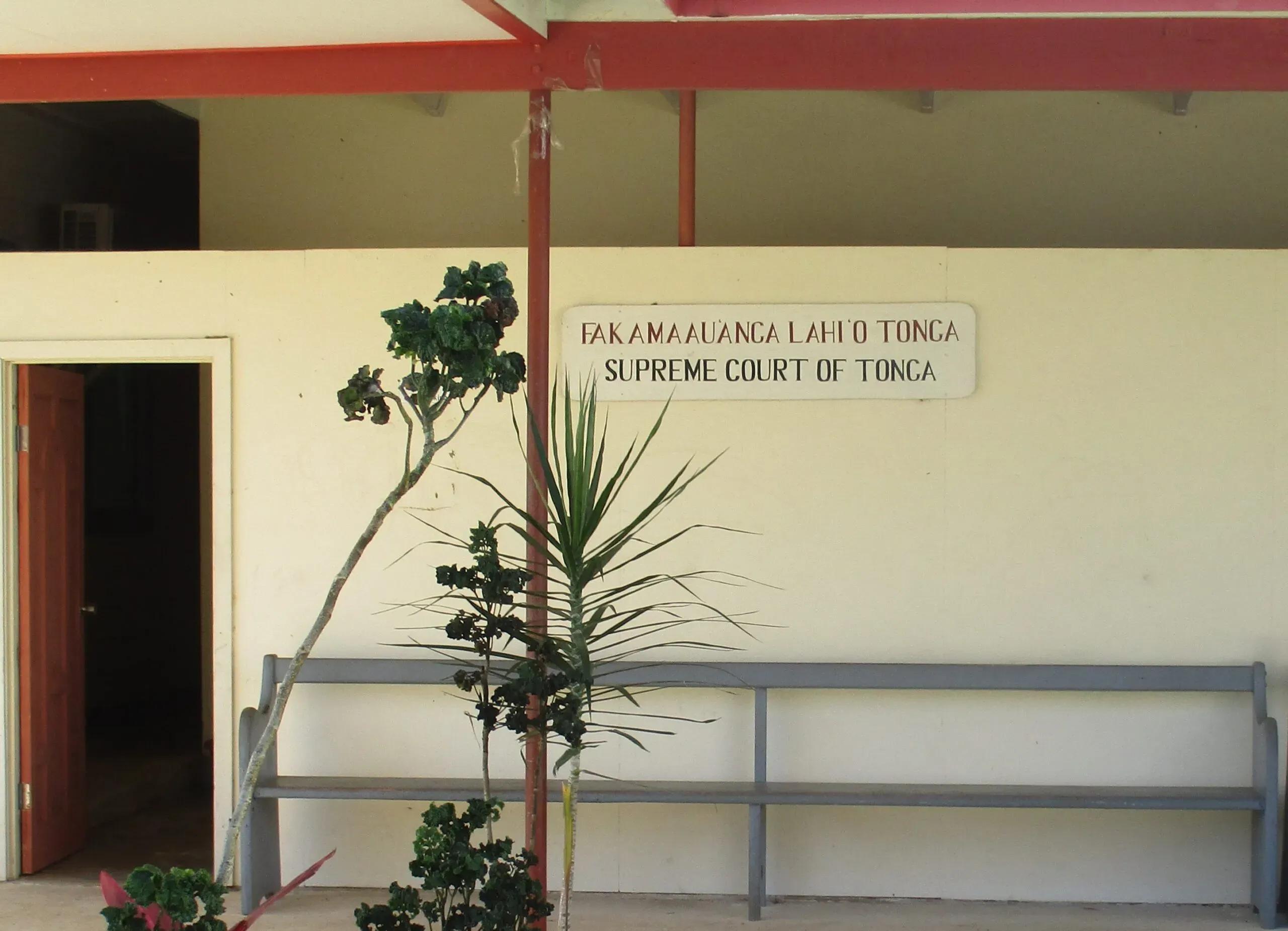
Tonga's Supreme Court in Nuku'alofa. Photo/Facebook
He said he would temporarily take over responsibility for the finance portfolio while constitutional processes run their course, including any appeals expected in the coming months.
The latest ruling adds to a growing pattern of legal action involving senior political figures with multiple cases now linked back to election conduct and campaign-related gifts or donations.
Under Tongan law, bribery findings typically require an MP to be “unseated”, raising the possibility that several constituencies could soon face by-elections if the rulings are upheld.
The Speaker of Parliament has been formally notified of the court decisions, which could trigger a major reshuffle within government ranks.
Associate Professor Mafua ‘a e Lulutai Malakai Koloamatangi, a political analyst, earlier told PMN News that the growing number of successful election petitions is putting pressure on the coalition government and highlights a wider need for public understanding of what counts as bribery.
He said there needs to be greater awareness about what does and does not constitute bribery, including gifts given before and after elections.

Political commentator Associate Professor Mafua ‘a e Lulutai Malakai Koloamatangi, who says the growing number of election petitions is putting pressure on Tonga’s coalition government and highlighting gaps in public understanding of bribery laws. Photo/Massey University/file
Legal experts say Tonga’s Supreme Court takes a strict approach to election law, particularly around any donations made within three months of an election being called.
They say this places a heavy burden on candidates, who must prove such gifts were not intended to influence voters.
Observers also point to the 2021 election crisis, when multiple senior ministers were unseated over similar bribery findings, saying the current cases suggest the political system is still struggling to fully adjust to the strict enforcement of electoral law.
The government has not yet issued a detailed response to the latest conviction.
The developments build on earlier rulings and allegations involving senior ministers, which have already placed pressure on Fakafanua’s administration.
Taken together, the cases represent a significant wave of election-related convictions in Tonga in recent years with potential implications for stability at the highest levels of government.
As the legal process continues, attention is now turning to whether further petitions will be upheld and whether Tonga could face wider political change in the weeks ahead.