Online vault aims to return Pacific research to the community
Aui'a Vaimaila Leatinu'uWed, 21 Oct
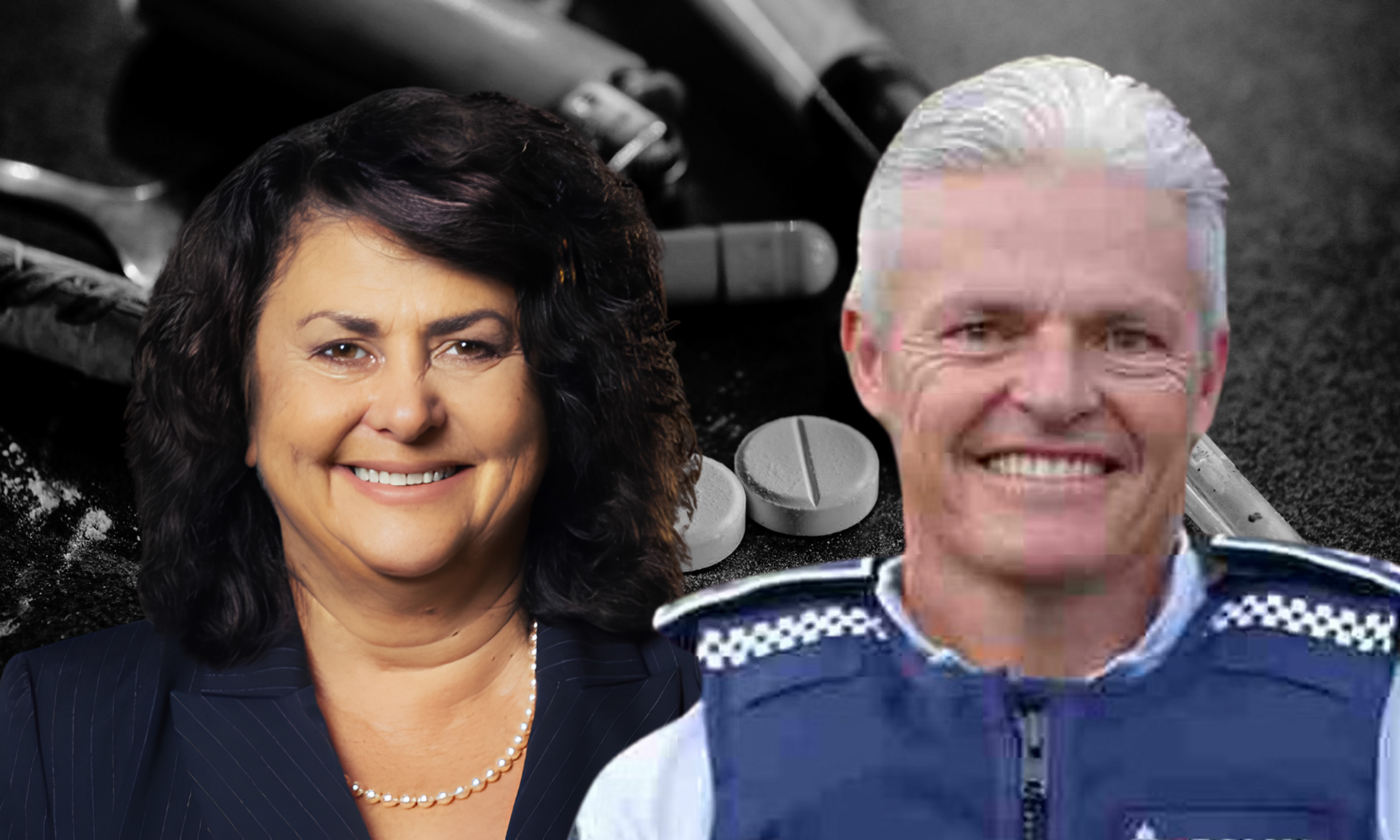
Minister of Customs Casey Costello, left, and Police Commissioner Richard Chambers.
Photo/PMN Composite
Casey Costello says the region’s response must include economic development, health support, and stronger border protection.

Economic development and stronger borders must all be part of the region’s response to transnational crime, according to New Zealand’s Customs Minister.
Casey Costello, who is also the Associate Police Minister, says Pacific nations cannot arrest their way out of the organised crime threat facing the region.
She recently attended the inaugural Pacific Transnational Crime Summit in Fiji involving Police ministers, commissioners and officials discussing drug trafficking, human trafficking and organised crime.
She says the summit showed a shared understanding that the Pacific needs more than police enforcement to stop organised crime groups gaining ground.
“This is not something we’re going to arrest our way out of,” Costello told William Terite on Pacific Mornings. “This is about better legislation, better supports, better interventions, strengthening our borders, all of those components.”
Costello says New Zealand’s message to the summit was that organised crime must be tackled across government agencies, not only by police.
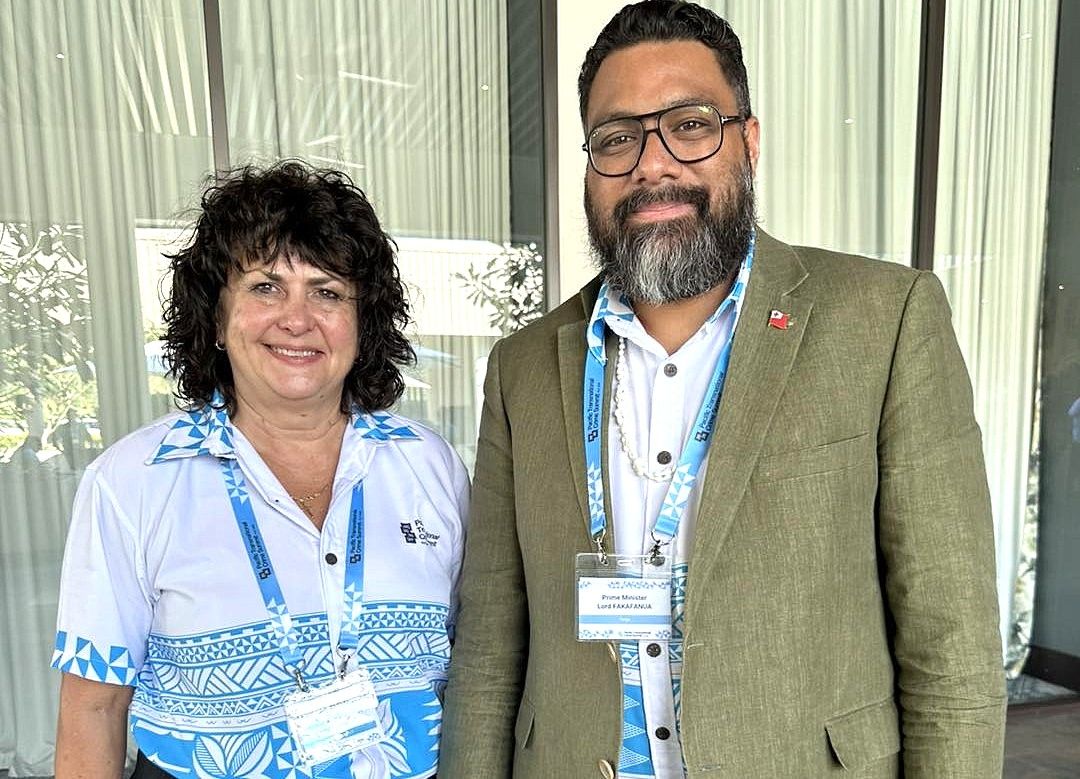
Minister Costello with Tonga's Prime Minister Lord Fakafanua at the Pacific Transnational Crime Summit in Fiji. Photo/Facebook.
She says health, immigration, customs, revenue collection and the justice system all need to work together. “All of these things have to work together to be effective,” she says.
The summit was held amid growing concern about the Pacific being used as a transit point for illicit drugs, as well as the risk of organised crime becoming more embedded in local communities.
Costello says Fiji was open about the consequences it is already facing, including drug-related health issues and HIV concerns.
Watch Casey Costello's full interview below.
“We know Fiji, and it was pretty impressive that Fiji talked about their issues, talked about the HIV challenges,” she says. “They were really open to saying, look, this is what it looks like when it goes wrong.”
But Costello says the region still has time to act and “turn the corner” on it. She says economic development also has to be part of the Pacific’s security response.
Costello says organised crime money can exploit people and communities under financial pressure.
“When you have economies that are really struggling, where you have people who are financially really vulnerable, therefore the idea of corruption has to be discussed because we’re talking about a lot of money that can be very distracting,” she says.
She says strengthening Pacific economies is one way to reduce that vulnerability.
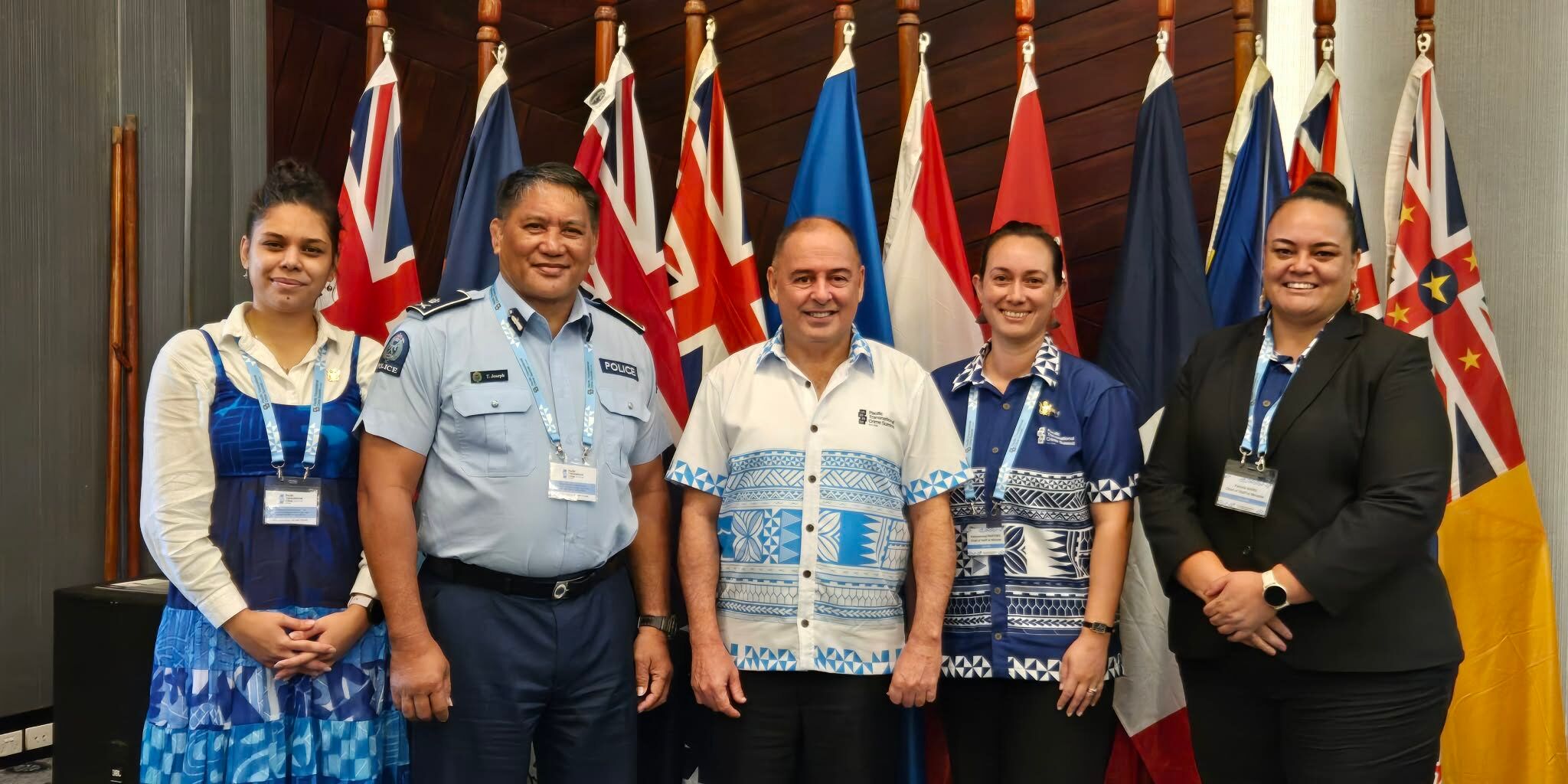
The Cook Islands delegation at the summit with Prime Minister Mark Brown (centre). Photo/Cook Islands Government.
“The economic development across the Pacific will be a crucial tool to combating this environment,” Costello says.
“So we’re not always talking about the negative. What are the positives we can deliver to support the Pacific?”
New Zealand Police Commissioner Richard Chambers, who also attended the summit, says organised crime is not only a Pacific problem, but a global one.
He says criminal networks will exploit communities wherever they see an opportunity.
“Organised criminal networks will take any opportunity to exploit our countries and our communities,” Chambers says. “Organised crime undermines the integrity and values of our countries.”
Watch the Fiji Police Force and Australia Federal Police open the summit below.
Chambers says drugs are only one part of the threat.
He says organised crime groups also target human trafficking, firearms, crimes against children, pollution, wildlife, fisheries and minerals.
“They’ll target anything that’s going to make them a dollar,” he says.
Chambers says New Zealand is helping move the response closer to the source of the drug trade.
He says New Zealand Police is establishing a post in Bogota, Colombia, and supporting an international joint investigation team based there.
The work is being done with New Zealand Customs, Australian Federal Police and Australian Border Force.
Listen to Richard Chambers' full interview below.
Chambers says the aim is to disrupt organised crime before drugs such as cocaine are moved across the Pacific.
“We want to disrupt that organised criminal activity at source,” he says. “So that success, to me, looks like the establishment of that initiative.”
Costello says the response also includes stronger border capability.
She says the Government has announced a $70 million investment into Customs, including improved X-ray equipment, overseas postings, staff protection, training and equipment.
The investment also includes an underwater drone to search boats, including areas where drugs can be attached to hulls or hidden in sea chests.
Costello says the goal is to make the Pacific harder for organised crime groups to operate in. “The idea that we have to make the Pacific the hardest place for them to operate is achievable,” she says.