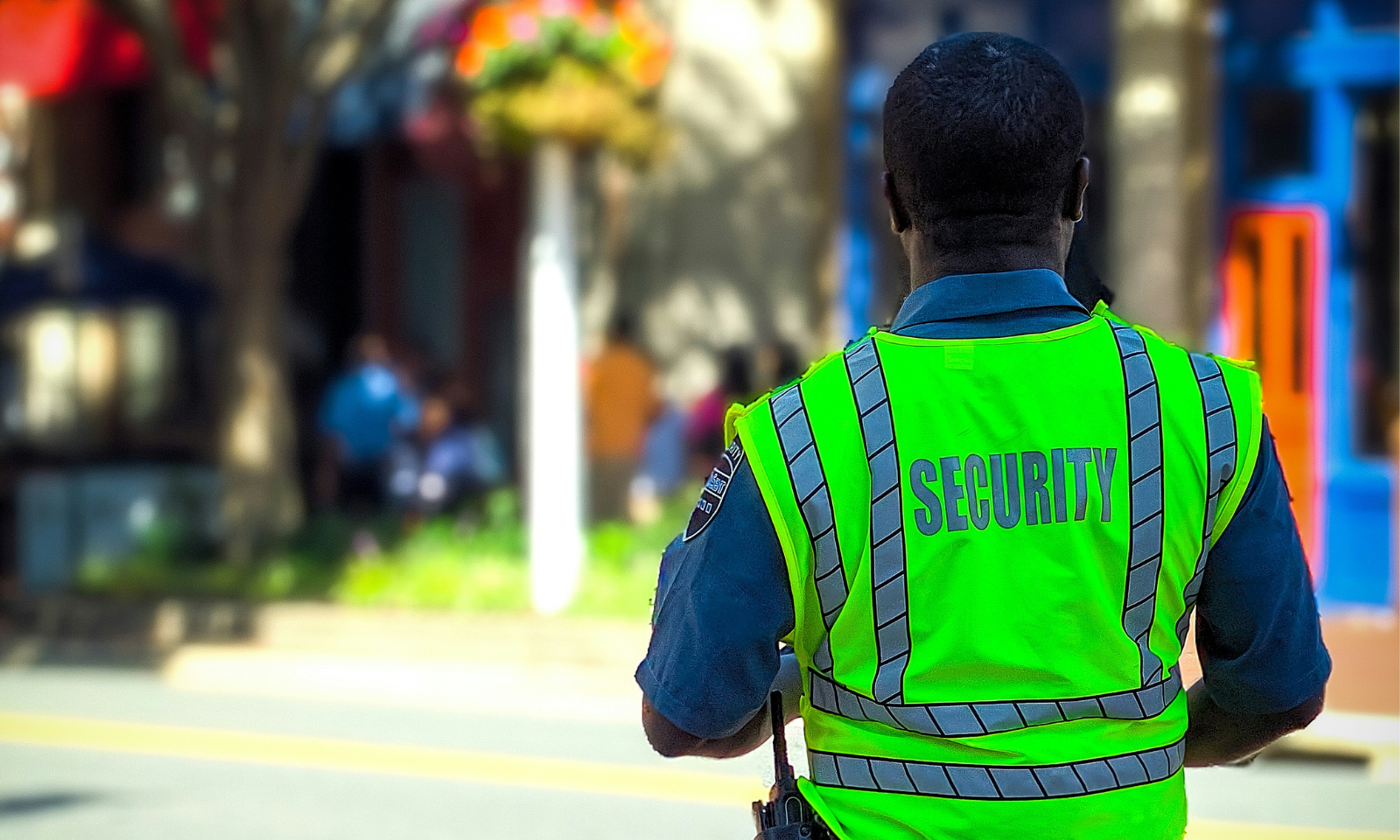
The ACT party is proposing giving security guards more powers.
Photo/Unsplash
Law & Order
More powers, more risk? Security guards raise concerns over ACT party proposal
Security guards warn expanded powers could increase confrontations, raising concerns for Pacific workers already overrepresented on the frontline.

Khalia Strong
Published
03 July 2026, 1:17pm
Share
Copy Link
Top stories

World Vision warns children will pay for aid cuts beyond the Pacific
Thomas Tarurongo WynneMon, 12 Oct
Mate Ma’a Tonga’s 40-year legacy lives on through generations
Elton Lonaratha JnrMon, 12 Oct

David Seymour wants tougher welfare rule as Labour targets hidden costs in 2026 election
Thomas Tarurongo WynneFri, 09 Oct
Top stories
World Vision warns children will pay for aid cuts beyond the Pacific
Thomas Tarurongo WynneMon, 12 Oct
Mate Ma’a Tonga’s 40-year legacy lives on through generations
Elton Lonaratha JnrMon, 12 Oct
David Seymour wants tougher welfare rule as Labour targets hidden costs in 2026 election
Thomas Tarurongo WynneFri, 09 Oct
A security company founder is warning that ACT’s proposal to give security guards greater powers could put frontline workers at higher risk of assault.
The ACT Party wants to introduce a new licence for specially trained security guards, giving them powers to detain suspected offenders, remove threatening individuals and carry out safety searches in certain situations.
But concerns are growing across the industry about training, staffing levels and safety, in a workforce where Pasifika make up around 17 per cent.
Sione Mataele, founder of Ubique Security, says the debate is ignoring what happens on the ground and could expose guards to greater danger.
He says the current law already limits how much force guards can use but even within those rules, risks are high when they are working alone.
“There’s going to be a lot more assaults,” he tells PMN News. “If you’ve got one guard on a site detaining somebody, you’ve got a one-on-one ratio.”
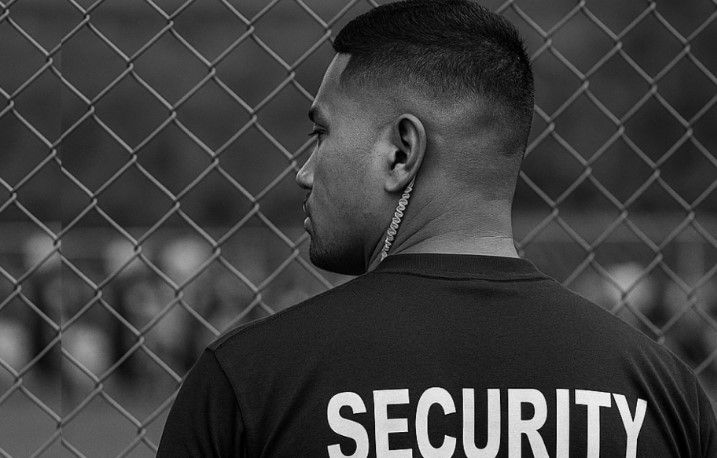
Ubique Security founder Sione Mataele says more powers could create more risk for security guards. Photo/Ubique Security
“We can’t be striking with closed fists or using chokeholds … it’s more just holding them and pushing them away or out of the establishment. But even with that, if you go to hold somebody to restrain them and it’s only you on the site and there’s two or three of them, then you’re at risk also.”
Mataele, who has 18 years of military service, says cost-cutting often leads to single-guard staffing in places where more coverage would reduce incidents.
“If you can deter them by having a guard visibly there and increasing your numbers to one or two at the doorways or within the retail establishment, you’re going to have a better effect of deterring people or even preventing incidents.”
Listen to Sione Mataele's full interview below.
David Seymour, ACT leader and Deputy Prime Minister, says the plan is aimed at helping retailers deal with rising theft and aggression.
“As long as I’ve been a local MP, I’ve talked to shopkeepers and they say ‘we just don’t get the protection that we need’,” he tells William Terite on Pacific Mornings. “It’s not that the police aren’t good, it’s that they can’t always be there.”
Under the proposal, standard security training would remain at about two days while the new advanced licence would involve around five days of training plus yearly refresher courses.
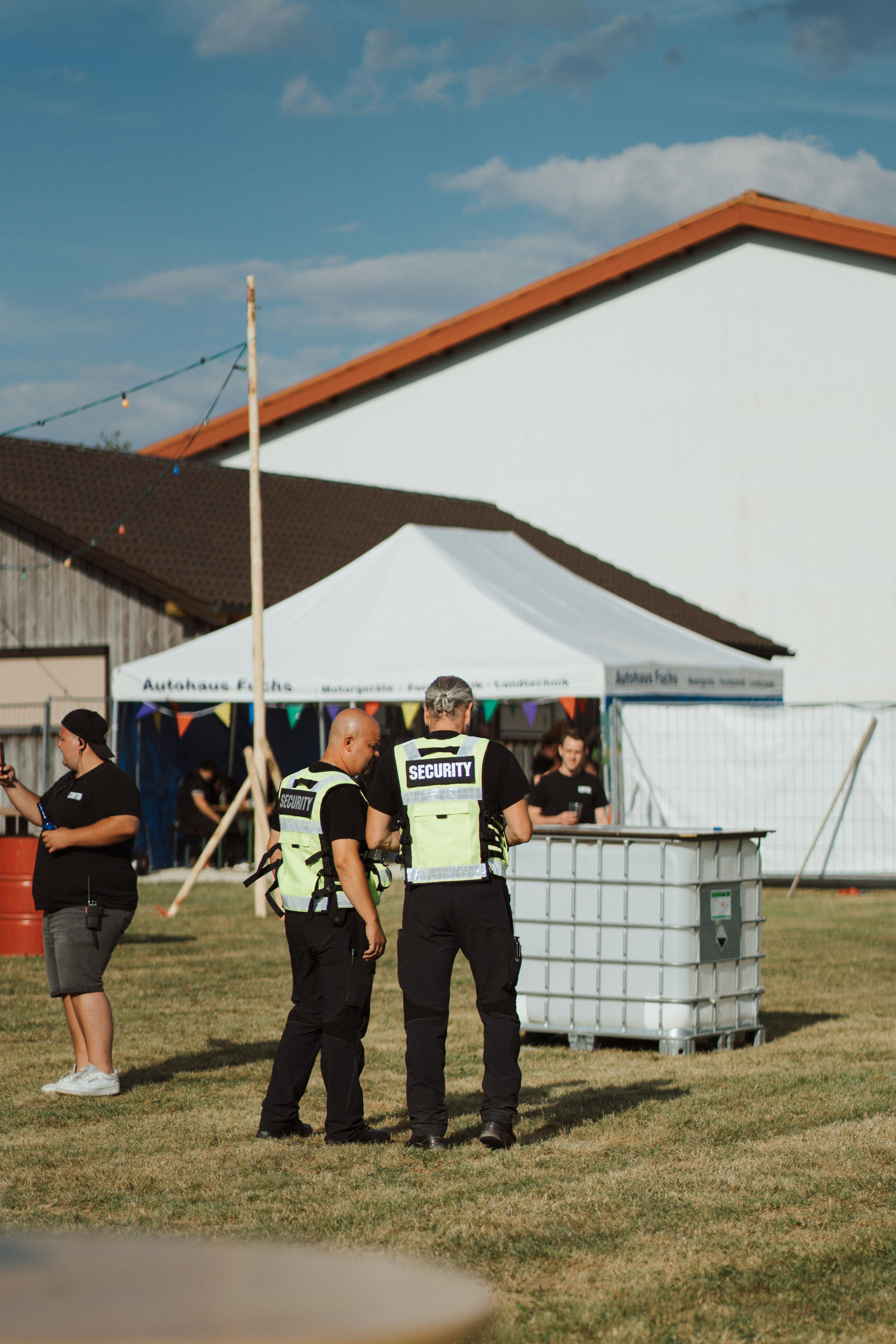
New Zealand has about 27,000 licensed security officers. Government workforce data (2024 Security Workforce Development Action Plan) shows Pacific workers make up about 17 per cent of the sector.
That same data also highlights ongoing challenges including language, literacy and cost barriers that can make it harder for some workers to move up in the industry.
“By understanding and addressing the specific needs of Pacific workers and offering additional support such as pastoral care, the industry can effectively support and retain this workforce,” the report states.
Photo/Unsplash
It also warns that licensing and training costs can stop workers from progressing into higher-paid roles.
Union group E tū says any move to expand security powers must come with stronger protections for workers already under pressure.
Etevise Ioane, E tū campaign organiser, says security work is already low-paid and high-risk.
“Security is very low-paying and unsafe work,” Ioane tells PMN News. “They need proper training, and, unfortunately, many companies fail to provide that.”
Ioane says if guards are expected to take on more policing-style duties, training and pay must reflect that responsibility.
“The police have years of training and are paid much more than security guards. I don’t think a few days of training is enough.”
She also says training needs to reflect the real workforce on the ground.
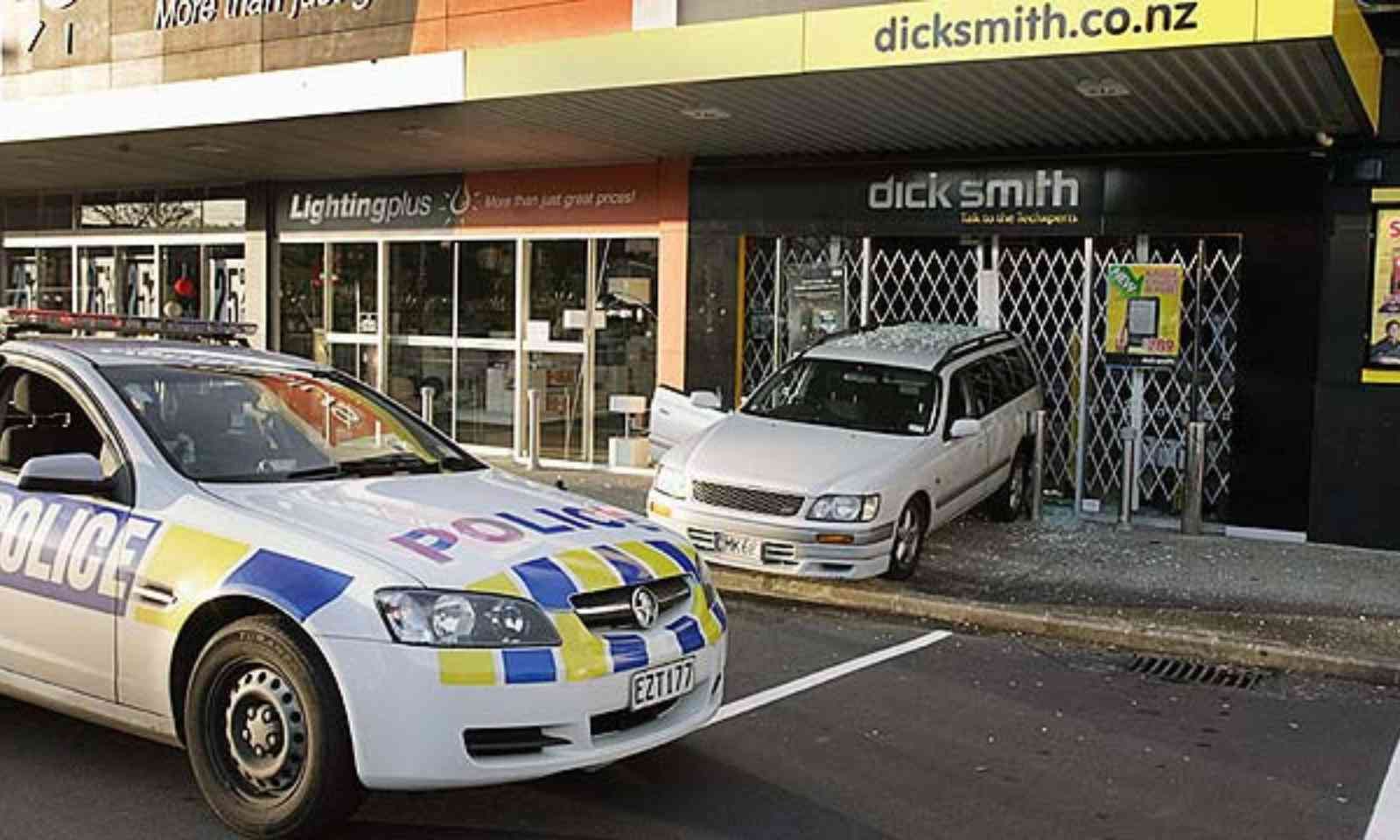
Figures from Retail NZ estimate retail crime costs the sector about $2.6 billion each year. Photo/File
“They need to look at not only the physical side of the job, but also the language barrier, the cultural values, as well as the diverse communities that make up the number of workers in this field.”
Retail NZ reports estimate retail crime costs about $2.6 billion a year.
Seymour says safeguards would be built into the system including licensing through the Ministry of Justice and penalties for misuse of power.
But for Pacific security workers on the frontline, the issue goes beyond retail crime.
It also raises questions about whether expanded powers will be matched with proper training, fair pay and stronger protections for those carrying them out.
Watch David Seymour's full interview below.