
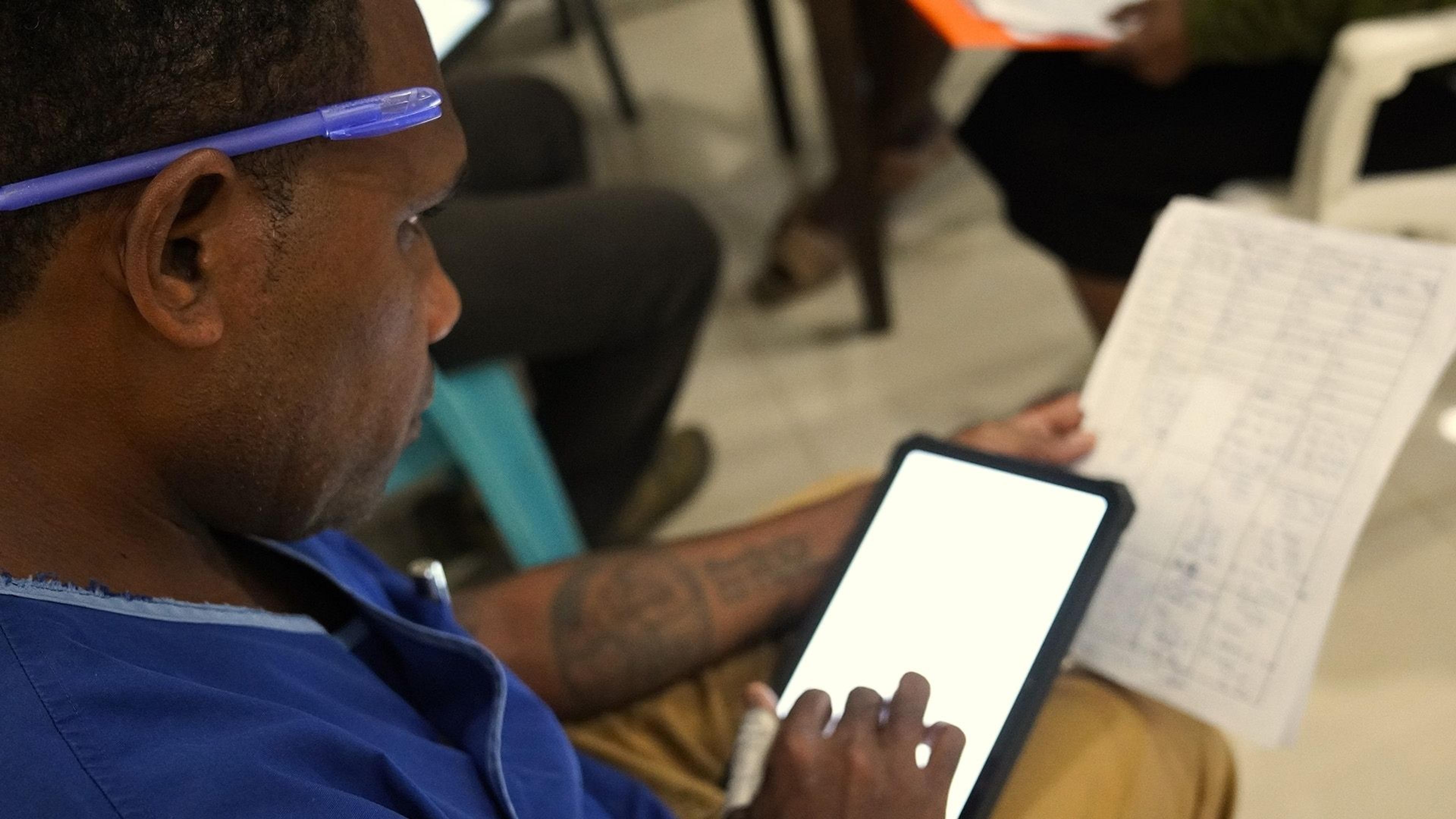
Vanuatu's Ministry of Health has launched the HeartCare mobile app, the first community-based digital heart screening tool of its kind in the Pacific, aimed at helping health workers identify people at risk of heart disease earlier.
Photo/WHO/Nancy Wong
Health
Vanuatu govt rolls out Pacific's first heart screening app to help catch silent killers early
Health workers and community leaders will now be able to screen people for heart risks on the spot, in a Pacific-first move aimed at catching disease earlier and saving lives.

Christine Rovoi
Published
03 July 2026, 6:48pm
Share
Copy Link
Top stories



Auckland teen turns a trip to Fiji into a mission to fight period poverty
Elenoa TuragaiviuThu, 15 Oct
Top stories
Auckland teen turns a trip to Fiji into a mission to fight period poverty
Elenoa TuragaiviuThu, 15 Oct
A new mobile phone app is changing how heart disease is detected in Vanuatu.
The HeartCare app is bringing health checks into communities in a move to tackle one of the country's biggest health challenges.
Launched by the Vanuatu Ministry of Health with support from the Australian government and the World Health Organization (WHO), the app is the first digital tool of its kind in the Pacific.
Instead of relying only on clinics and hospitals, trained community health workers, church leaders and non-government organisations will be able to carry out heart health screenings where people live, work and gather.
Health officials say the approach will help identify people at risk much earlier and connect them with care before they develop serious health problems.
Non-communicable diseases (NCDs), particularly heart disease, are among the leading causes of early death in Vanuatu.
Nearly one in three adults is estimated to have high blood pressure, but only about 15 per cent know they have the condition.
Health officials say many people remain unaware until they suffer a heart attack or stroke.
The HeartCare app aims to change that.
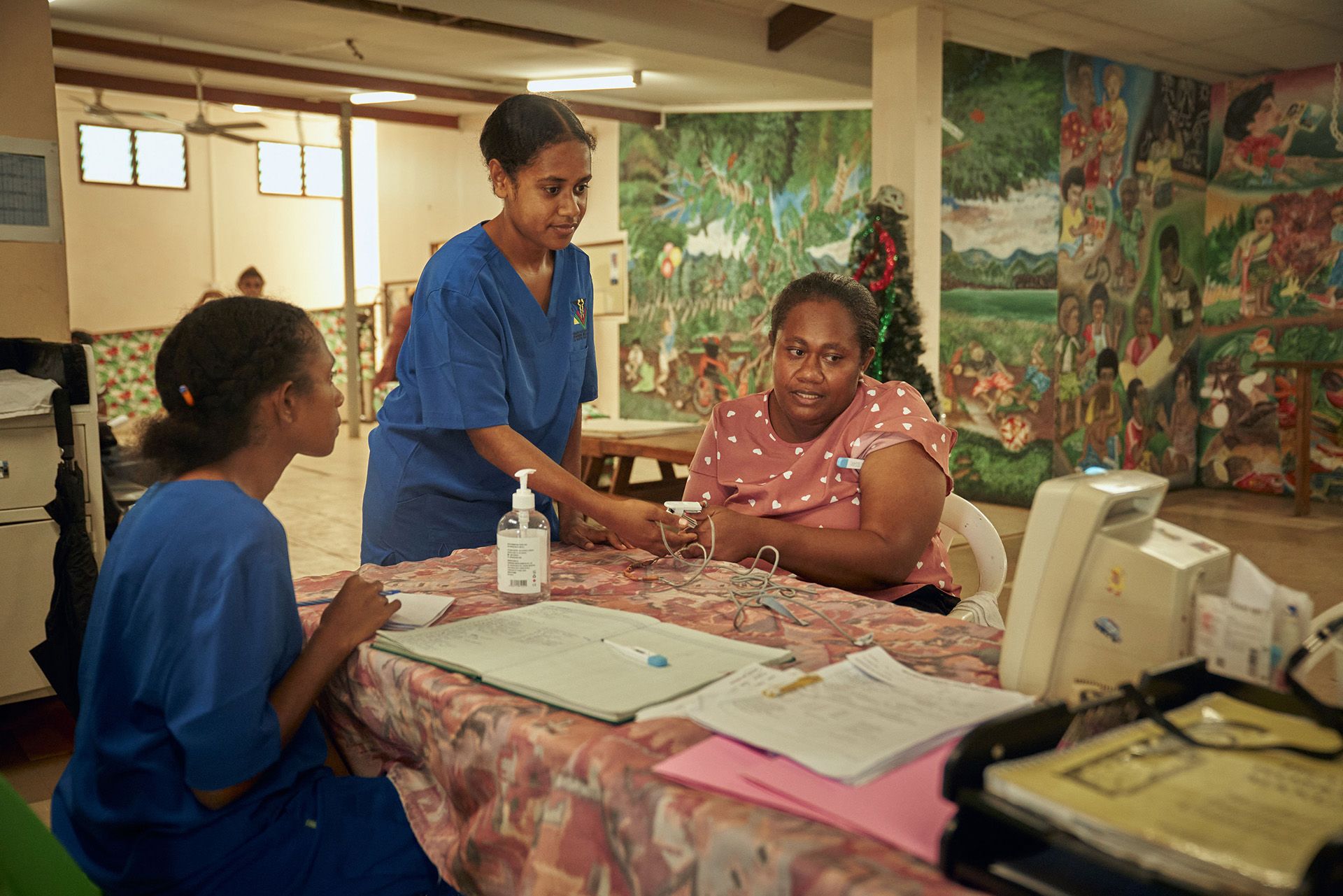
Health workers taking vitals at the Vanuatu National Hospital. Photo/WHO/Bobby Shing
Using a mobile device, trained health workers can record blood pressure, blood sugar levels, cholesterol, body mass index (BMI) and other key health information.
The app then assesses a person's overall risk of cardiovascular disease and automatically flags those at medium or high risk, allowing health workers to arrange follow-up care.
By replacing paper records with a secure digital system linked to national identification numbers, the app will also help health services monitor patients over time.
Director of Public Health Dr Jenny Stephens says new approaches are needed to tackle the growing burden of NCDs.
“NCDs have been affecting our communities and can lead to a wide range of health complications for individuals," she said in a statement.
"We need more innovative approaches that help us identify people at risk earlier and connect them with the care they need. HeartCare is an important step in that direction.”
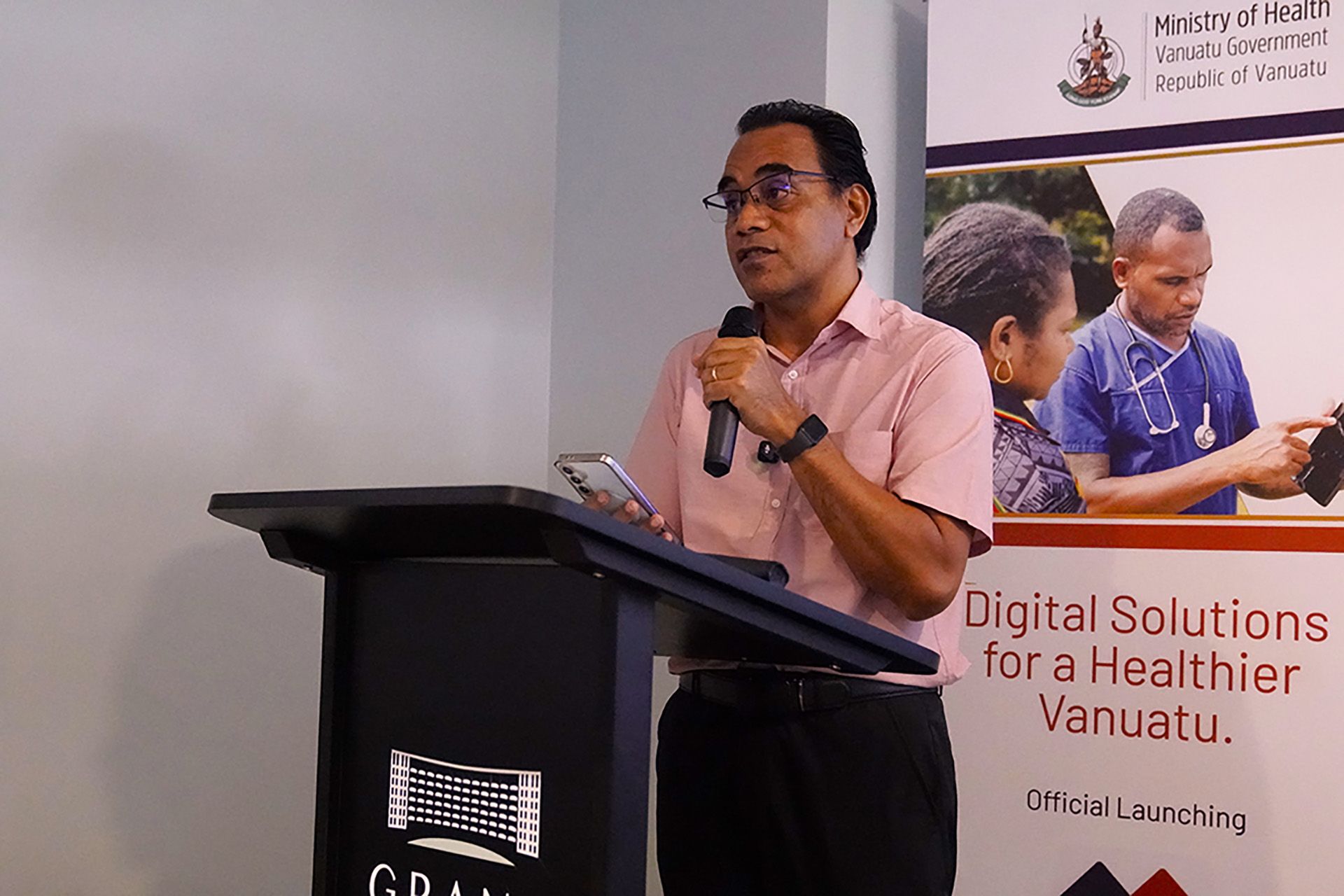
Dr Revite Kirition says the HeartCare app forms part of Vanuatu's efforts to strengthen the fight against non-communicable diseases by bringing early heart health screening closer to communities across the country. Photo/WHO/Nancy Wong
Acting Director General at the Vanuatu Ministry of Health, Dr Santus Wari, says technology can help improve access to healthcare.
“Technology has the potential to transform the way we deliver health services," he said at the launch.
"Rollout of the new HeartCare app is an example of how public health policy can help reach more people and support healthier futures for the people of Vanuatu.”
Dr Revite Kirition, WHO Country Liaison Officer for Vanuatu, says earlier detection will help save lives while making better use of limited health resources.
“By identifying people at risk earlier, we can help prevent serious complications and ensure that limited clinical resources are directed to those who need them most," he said at the launch.
"This initiative reflects our shared commitment to strengthening prevention, early detection, and management of noncommunicable diseases in Vanuatu.”
Across the region, many island nations have moved away from paper records and now use electronic health record systems to improve patient care.
Recent regional research found that 86 per cent of assessed Pacific countries have introduced digital health records into their public health systems, well above the global average of 47 per cent.
Countries including Sāmoa, Fiji, Tonga, Palau, Kiribati, Nauru, the Cook Islands and Niue already use different digital platforms to track patient care, particularly for long-term illnesses such as diabetes, high blood pressure and heart disease.
Vanuatu's HeartCare app builds on that progress by taking heart disease screening directly into communities, allowing health workers to identify people at risk earlier and connect them with treatment before serious illness develops.
Health leaders say the launch could become a model for other Pacific countries looking to strengthen early detection of non-communicable diseases especially in remote communities where access to healthcare is often limited.
By taking health screening beyond clinics and into communities, Vanuatu officials hope more people will be diagnosed sooner, treated earlier and protected from preventable heart disease and stroke.