
Sāmoa treaty dispute with Luxon 'blown up' by media, says community leader
PMN NewsTue, 27 Oct
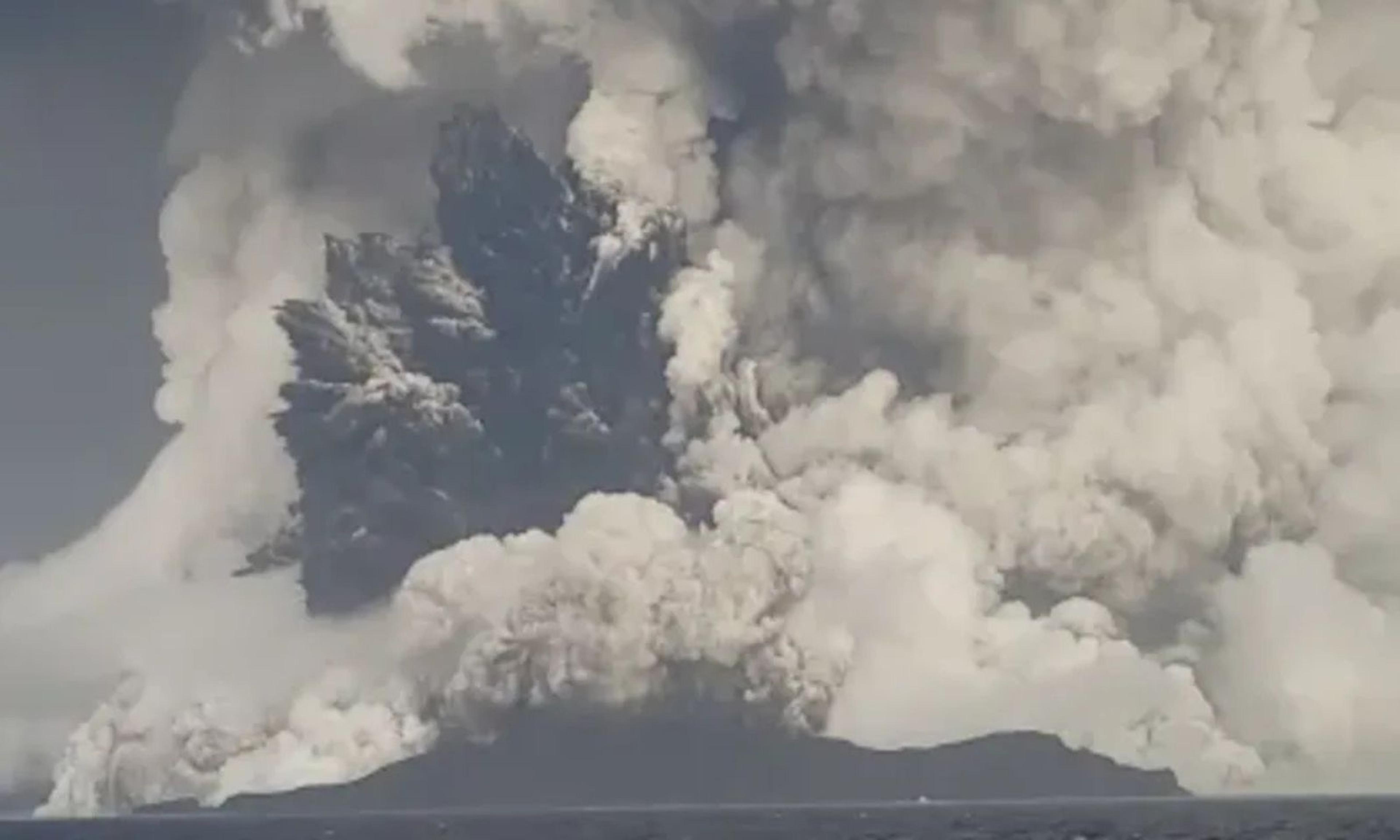
The 2022 eruption of Hunga Tonga-Hunga Ha’apai sent ash and smoke soaring into the sky, triggering a tsunami and widespread destruction across Tonga.
Photo/Supplied
While the Pacific Tsunami Warning Center reported no tsunami threat, local authorities are urging residents in low-lying areas to move to higher ground as a precaution.




A magnitude 7.6 earthquake struck Neiafu in Tonga on Tuesday at a depth of 237.5 kilometres, according to the United States Geological Survey (USGS).
The Pacific Tsunami Warning Center said there was no tsunami alert as the earthquake was too deep inside the earth to displace ocean waters.
But Tonga’s National Disaster Risk Management Office has urged residents in low-lying coastal areas to move to higher ground or inland as a precaution.
It warned people to avoid beaches and shorelines until further notice.
The earthquake comes just a day after Hihifo, Tonga, was shaken by a Magnitude 6.2 quake at a shallower depth of 79.7km.
Tonga is still recovering from the Hunga Tonga-Hunga Ha’apai volcanic eruption in January 2022, which caused widespread ashfall, flooding, and triggered a tsunami that swept across the islands.
Watch Theresa Fox's video on Facebook following Tuesday's earthquake in Tonga.
Farmers and communities across Tonga are still rebuilding homes, farms, and infrastructure. "We’re still dealing with the aftermath of Hunga Ha’apai," a local farmer said on social media. "Every tremor reminds us how fragile life can be here.”
Tuesday's quake occurred at around 4.37pm (NZ time) at a depth of about 237.5km, deep beneath the earth’s surface. It poses no immediate threat to New Zealand, officials said.
The epicentre was roughly 153km west of Neiafu, a town in the Vavaʻu group of islands in Tonga. Initial reports said there were no immediate reports of damage or injury but residents are urged to stay updated through official channels.
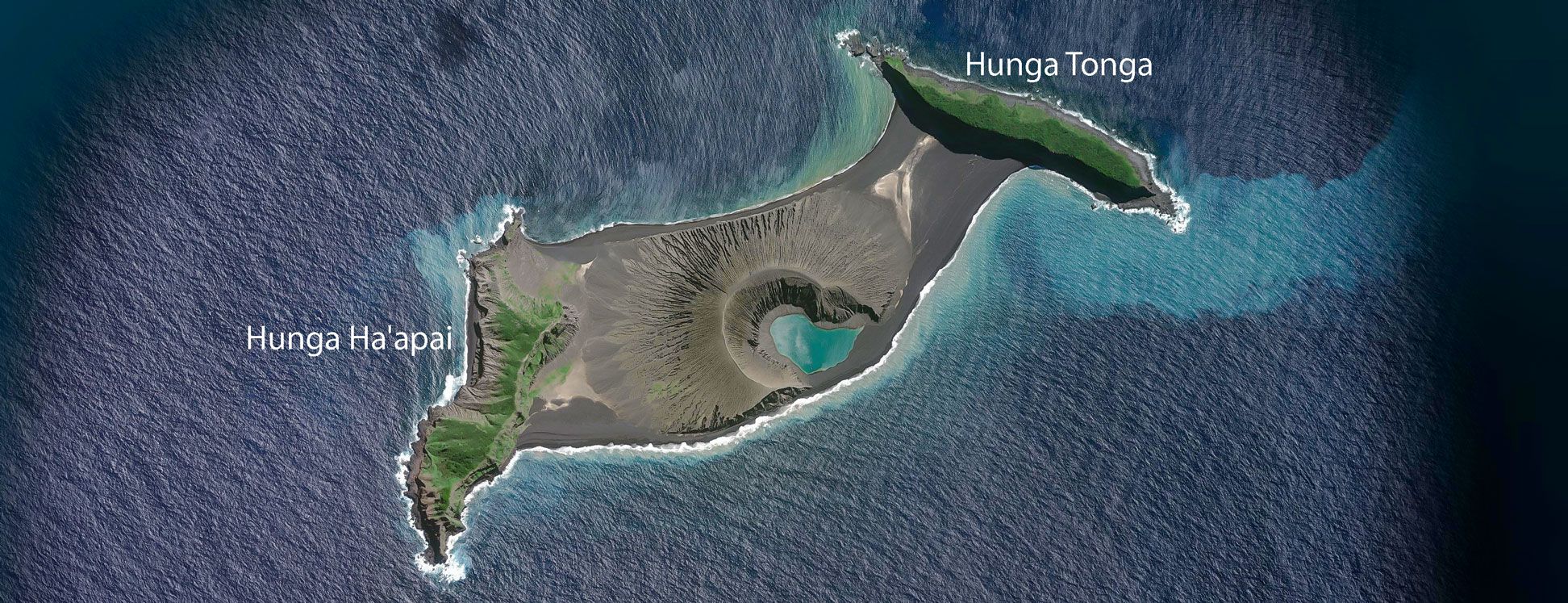
Hunga Ha’apai Island, Tonga. The site of the 2022 volcanic eruption that triggered a tsunami and caused widespread damage across the islands. Photo/USGS/file
Tonga and nearby Pacific nations lie along the Pacific “Ring of Fire”, a zone where tectonic plates meet and produce regular earthquakes and volcanic activity.
Even when quakes are deep, as this one was, they can be felt widely across islands especially in central and northern Tonga.
Wave surges and tsunamis are more likely when earthquakes are shallow and under the sea floor. But at this depth and distance, officials do not expect waves that threaten coastal communities.
Tonga has experienced significant quakes before, including events that triggered tsunamis in the past.
For example, massive earthquakes around the region in previous decades have caused sea swells felt across the Pacific. These remind communities to stay prepared, even when big quakes don’t result in immediate danger.
Local authorities and emergency centres continue to monitor the situation in case of aftershocks or other seismic effects that may follow a large earthquake like this.
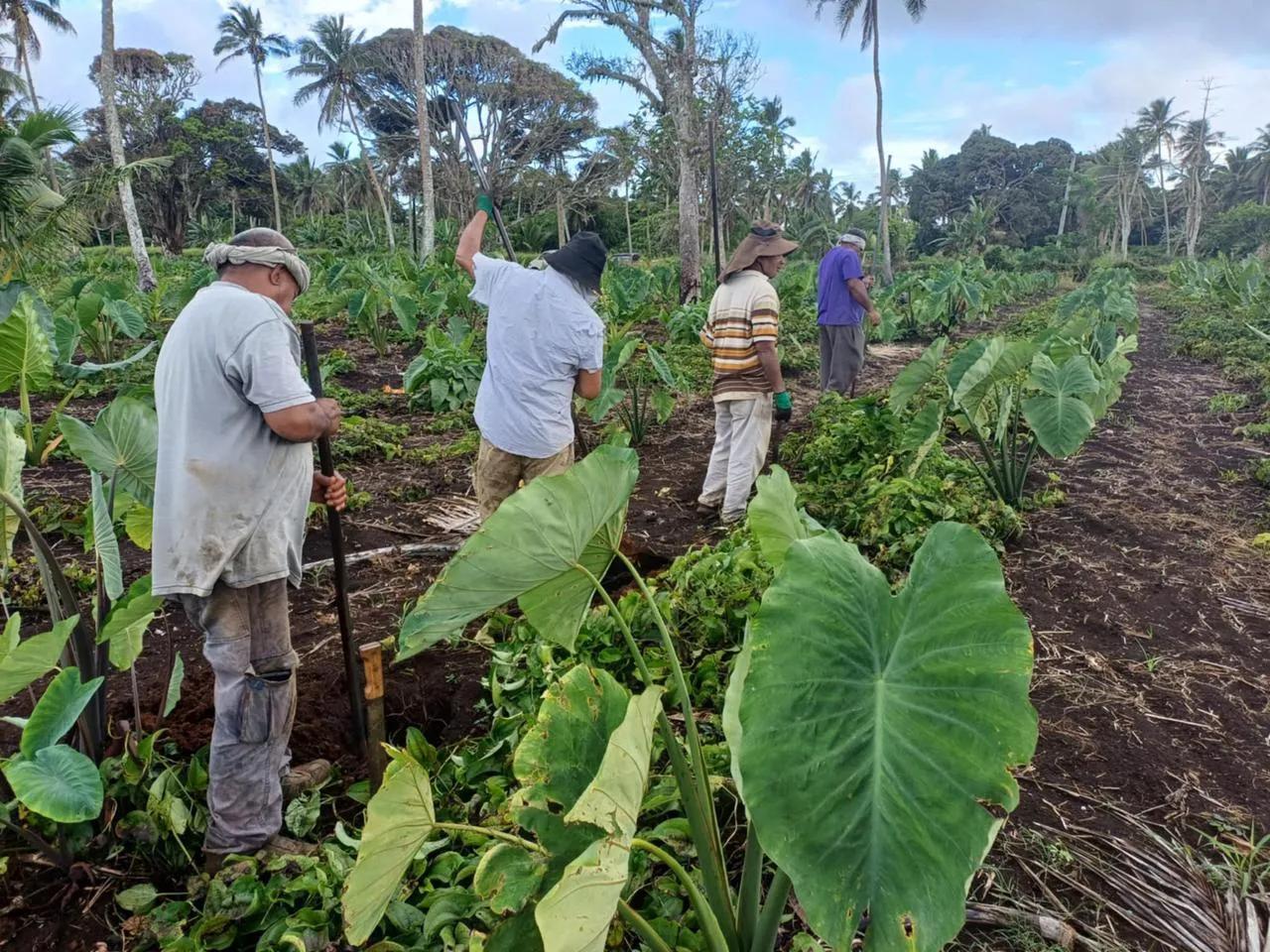
Farmers in Tonga continue to rebuild their livelihoods, still recovering from the devastating 2022 Hunga Tonga-Hunga Ha’apai eruption and tsunami. Photo/MORDI
Across the Pacific, earthquakes of various sizes are common. Smaller quakes occur regularly around Tonga, Fiji, Sāmoa and elsewhere, often without major consequences but still noticeable to residents.
Recent weeks saw a handful of quakes in the broader Tonga region, showing ongoing movement deep below the Pacific Plate.
These do not typically pose immediate tsunami risks but reinforce that natural shaking is part of life in many Pacific islands.
For island nations, strong earthquakes also highlight the importance of early warning systems, community preparedness, and strong infrastructure to keep people safe when seismic activity strikes.
Local emergency agencies and regional partners maintain monitoring and warning systems, including tide gauges and seismic sensors, to watch for signs of tsunamis following large earthquakes.
The Pacific Tsunami Warning Center and other regional organisations provide guidance for islands across the Pacific, from Polynesia to Micronesia and beyond, helping communities understand risk and respond quickly in emergencies.
The epicentre of the earthquake was found to be 153 kilometres West of Neiafu in Tonga. Photo/Supplied