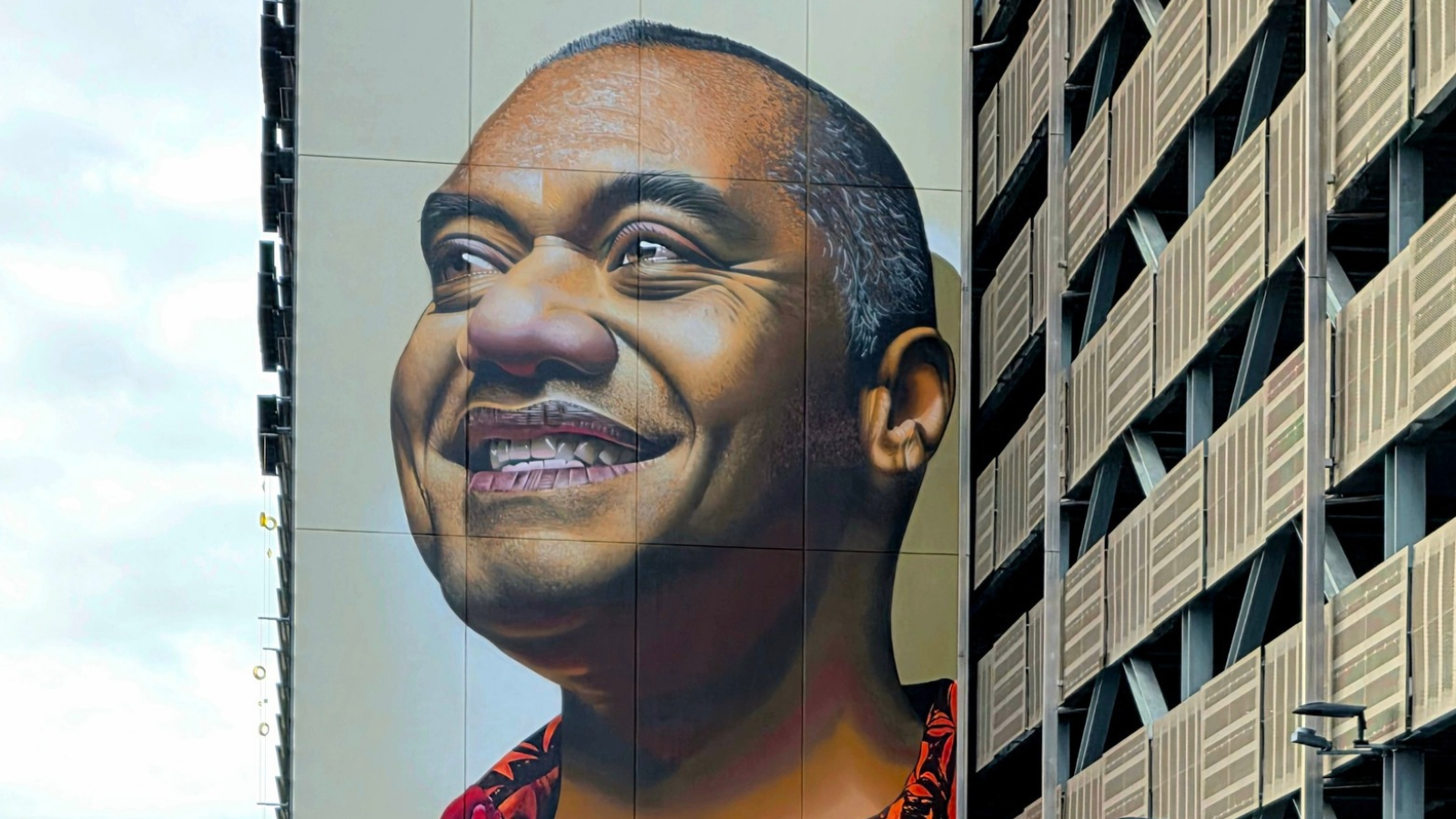
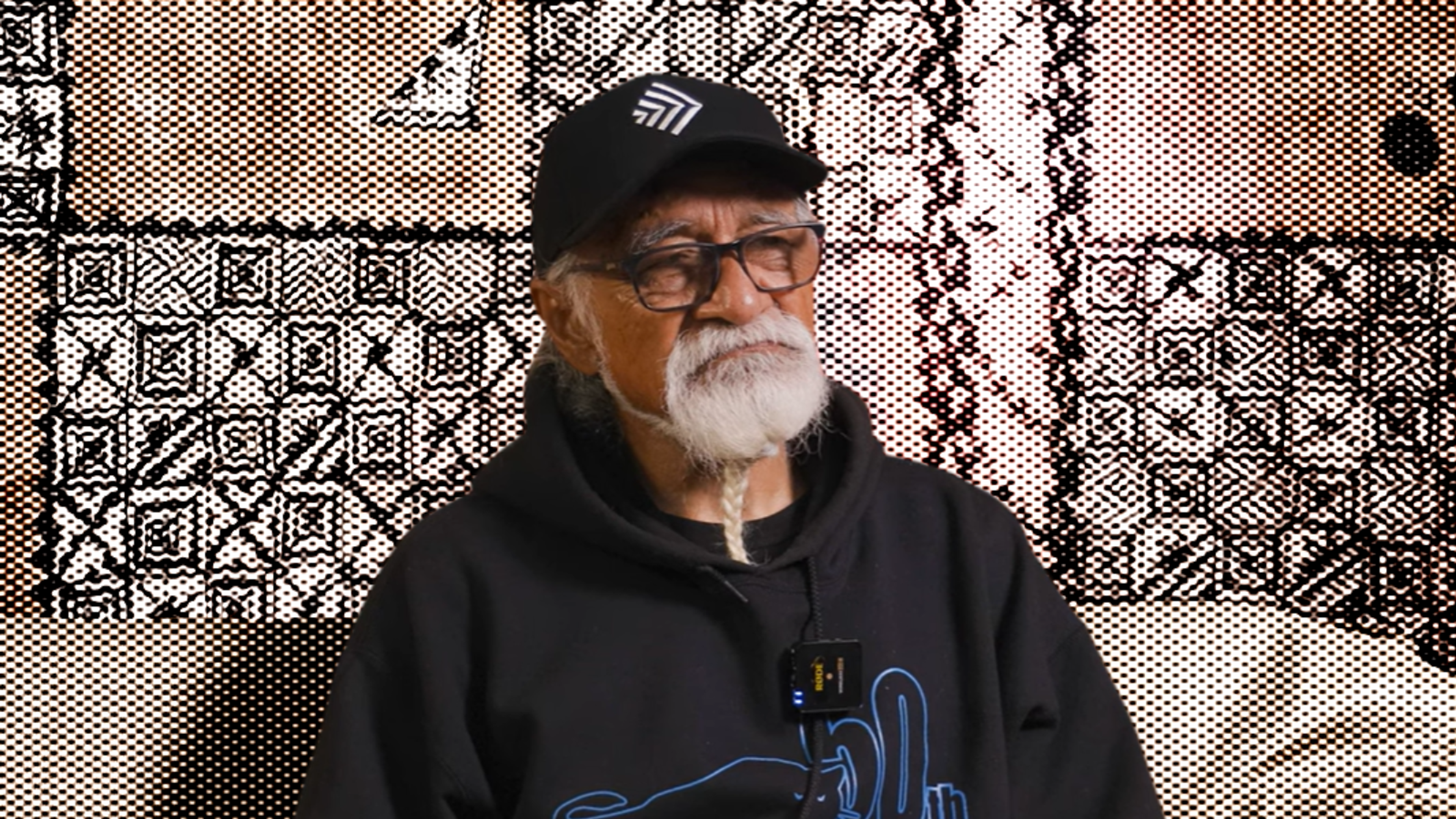
Tigilau Ness has lived on Ivanhoe Road in Grey Lynn for more than 20 years. His home is one of around 240 properties in the path of Auckland's proposed Northwest Busway.
Photo/Screengrab/Rising Sun Podcast
Community
'Our history here will be gone': Displacement of Grey Lynn families for Northwest Busway
Tigilau Ness says Māori and Pacific whānau are once again being pushed out of central Auckland amid a major transport project.
Renate Rivers
Published
19 June 2026, 3:44pm
Share
Copy Link
Top stories
PNG Chiefs win first round against New Zealand Rugby
Christine RovoiSat, 17 Oct
Pacific families must work four days to afford basic food: World Vision
Thomas Tarurongo WynneFri, 16 Oct

Sāmoa demolish France in record-breaking 78-4 RL World Cup opener
Christine RovoiFri, 16 Oct
Top stories
PNG Chiefs win first round against New Zealand Rugby
Christine RovoiSat, 17 Oct
Pacific families must work four days to afford basic food: World Vision
Thomas Tarurongo WynneFri, 16 Oct
Sāmoa demolish France in record-breaking 78-4 RL World Cup opener
Christine RovoiFri, 16 Oct
For more than 20 years, musician and Polynesian Panthers figure Tigilau Ness has called Ivanhoe Road home.
The house he shares with his wife, Lyn, is not just a family home. It carries decades of Pacific and Māori history.
The house in Auckland's Grey Lynn suburb was once lived in by Māori performing legend Prince Tui Teka and later home to Ness' son Che Fu, who had a backyard studio, dubbed "the chop shop", where he recorded much of his music.
That same property sits in the path of the proposed multi-billion-dollar Northwest Busway, a project that will run 18km alongside the Northwestern Motorway, linking Auckland’s city centre with the west.
Around 240 properties lie in the footprint of this proposal.
“I sometimes feel… homeless, you know, like a refugee in my own city, in my own town,” Ness told Khalia Strong on Pacific Mornings.
Watch Tigilau Ness on Pacific Mornings below.
For Ness, the planned compulsory acquisitions are not just about one project.
He says they reflect a long pattern of change that has reshaped Ponsonby, Grey Lynn and Kingsland over decades - areas once home to strong Māori and Pasifika communities.
“We’ve seen quite a few of the changes, you know, like the gentrification of Ponsonby and Grey Lynn now and Kingsland and the whole area,” he says.
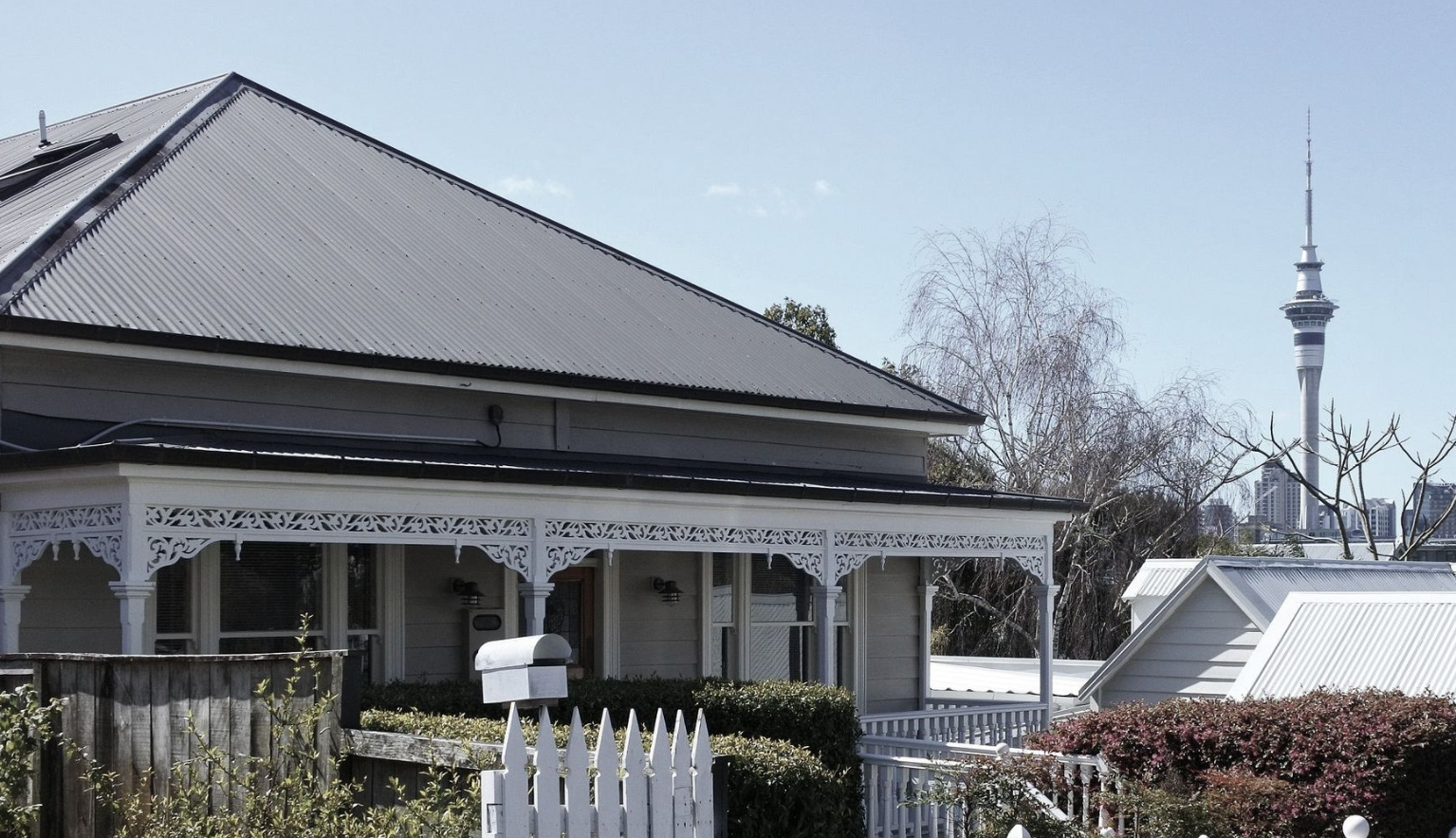
Once home to generations of working-class Māori and Pasifika families, Auckland's central suburbs now rank among the city's most expensive places to live. Photo/Supplied
“This is where Pasifika Māori have existed for so long. And I would say that there wouldn’t be any Pasifika or Māori in the planning of this project. But we are the ones being moved out.”
Ness says the displacement goes back generations.
In the 1960s, his family was forced out of Newton when the Northwestern Motorway was built through the same corridor. They moved into Ponsonby and Grey Lynn.
Now he says history is repeating itself.
“It’s starting, it’s happening again, like 50 years later,” he says. “We really don’t have any say in the matter.”
NZ Transport Agency Waka Kotahi (NZTA) started notifying affected homeowners in late 2024, with formal letters sent in September 2025.
Watch the official announcement of the Northwest Busway in May 2025.
Around 30 homes along the southern side of Ivanhoe Road are expected to be taken for a busway interchange at Western Springs.
About 20 properties along the wider route have already been purchased, at a cost of around NZ$40 million, according to the NZ Herald.
Ness says NZTA and Auckland Council have been “really good” in how they have handled the process, offering financial support and holding community meetings with engineers and designers.
But he says the outcome was already clear.
“They just laid it on us that this is what’s going to happen,” he says. “So you’re going to have to do this, this and this, which means, you know, get ready to move out, start looking now.”
For Ness and his wife, staying close to family and their Grey Lynn community is important. But he says rising house prices make that nearly impossible.
“Grey Lynn, Newton, Ponsonby… no way at this time in life for us,” he says.
He says a recent email from a niece highlighted how widespread the impact will be, noting at least four Niuean families living along the same stretch of road.
“It’ll be just as traumatic for them, for everybody on this side of the street.”
Asked whether the busway represents another wave of displacement for Māori and Pasifika in central Auckland, Ness didn’t hesitate.
“Hate to say it, but yes.”
He also questions whether decision-makers fully understand what is being lost - not just homes but history, belonging and connection to place.
“To tell you the truth, I don’t think they do. They took that all in, knowing that they’re going to go ahead and do it anyway. So it’s like our feelings don’t matter. Our history here will be gone.”
Despite his concerns, Ness says he understands the need for better transport. The busway is expected to carry up to 9000 passengers an hour in each direction, according to NZTA. This is the equivalent of four motorway lanes and is intended to reduce congestion across Auckland’s west.
He hopes the fleet will eventually run fully electric.
“The city has to grow and progress, they call it. But on that progress, there has to be sacrifice. And so we’re part of that sacrifice.”
Sixty years on, Ness is philosophical but not without grief. Ivanhoe Road is more than a street. It is where generations have lived, created music and built community, and where he once believed his own story would end.