
‘Soul resuscitation’: Pioneering Vagahau Niue and cultural connection down South
Atutahi Potaka-DewesFri, 23 Oct
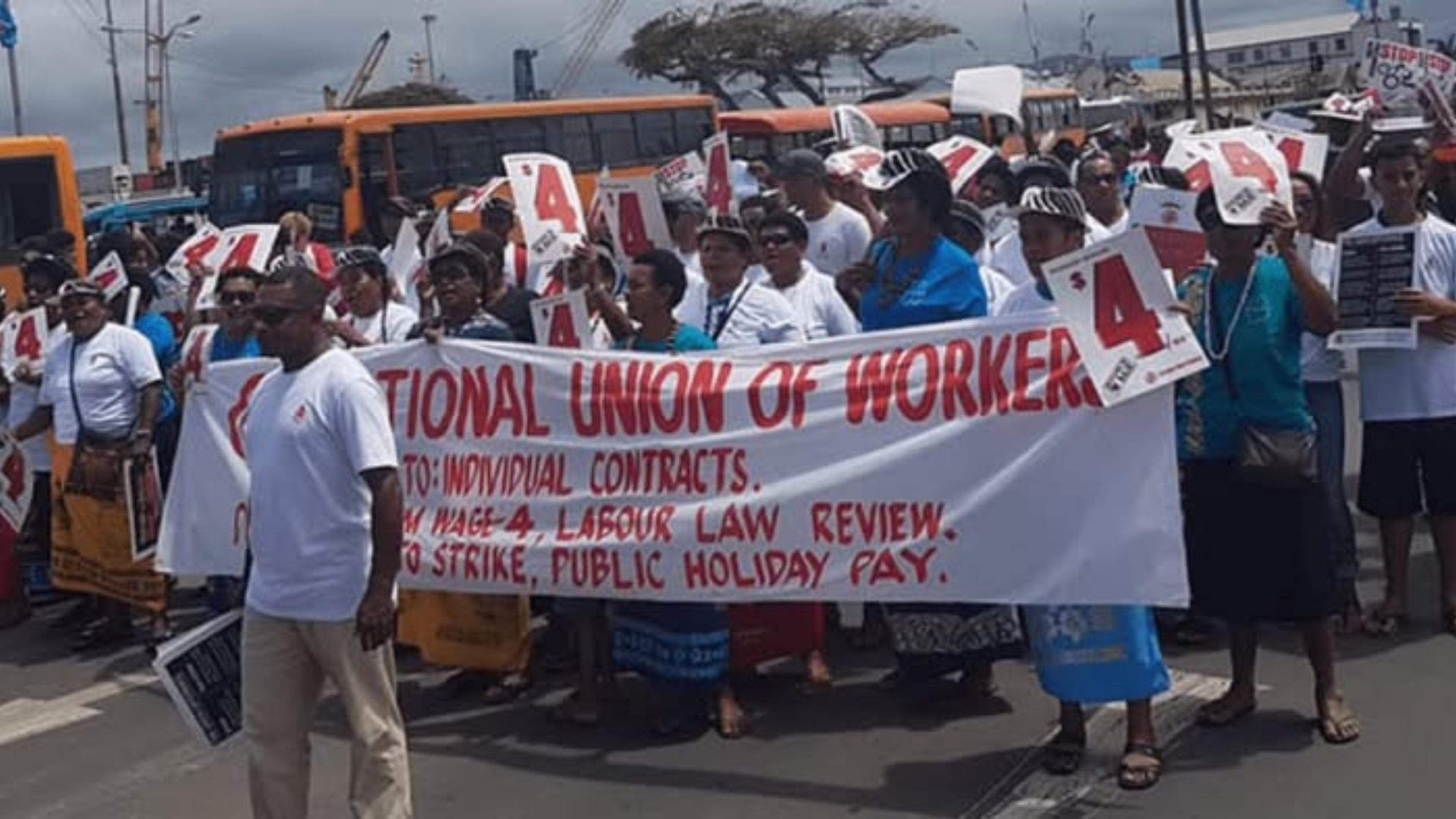
Workers and union supporters rally during a labour protest in Fiji. The ICJ ruling is being hailed as a major win for collective worker rights globally.
Photo/Facebook/National Union of Workers, Fiji
The United Nation’s top court says the right to strike is protected under international labour law, a decision Pacific workers’ groups say could strengthen labour rights across the region.


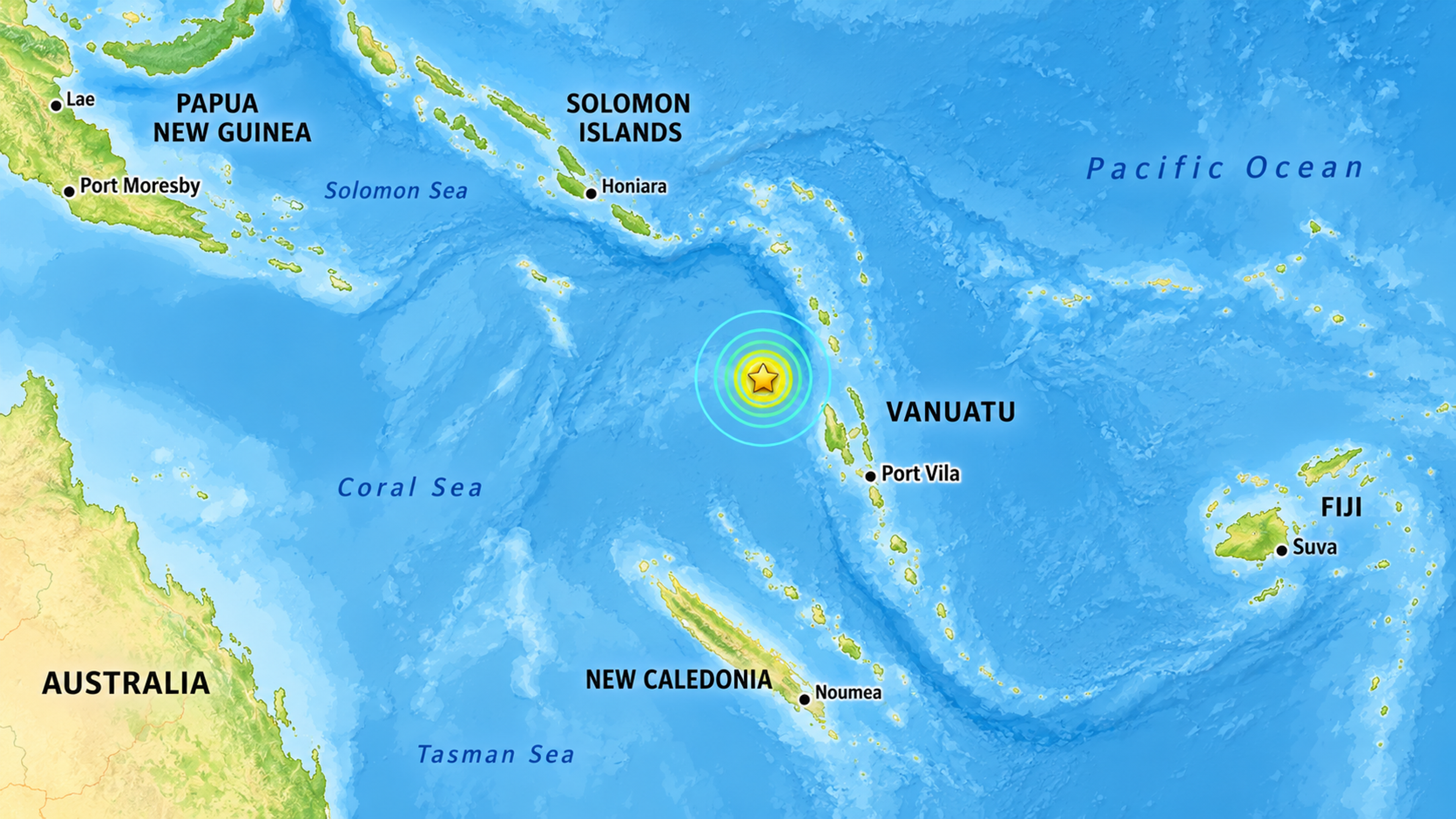

The United Nations’ highest court has ruled that workers have a protected right to strike under international labour law.
The landmark decision is expected to echo across workplaces throughout the Pacific.
In a major advisory opinion delivered in The Hague last week, the International Court of Justice (ICJ) ruled by 10 votes to four that the right to strike is protected under the International Labour Organization’s (ILO) Freedom of Association Convention.
The case centred on a long-running dispute between global employers and unions over whether the convention, adopted in 1948, includes the right for workers to take strike action - even though the treaty does not directly mention strikes.
The court found that strike action could fall within the “activities” protected under the convention for workers and their organisations.
Shoya Yoshida, International Trade Union Confederation (ITUC)-Asia Pacific General Secretary, called the ruling “a landmark victory for social justice”.
“For workers across Asia and the Pacific who continue to face intimidation, dismissal, arrest, or violence for exercising trade union rights, this confirmation is not merely a legal interpretation,” Yoshida said in a statement.
“It is a reaffirmation that democracy at work cannot exist without the ability of workers to act collectively in defence of their dignity, livelihoods, safety, and freedom.”
But judges also stressed the ruling does not define exactly how or when strikes can happen, saying it does not settle “the precise content, scope or conditions for the exercise of that right”.
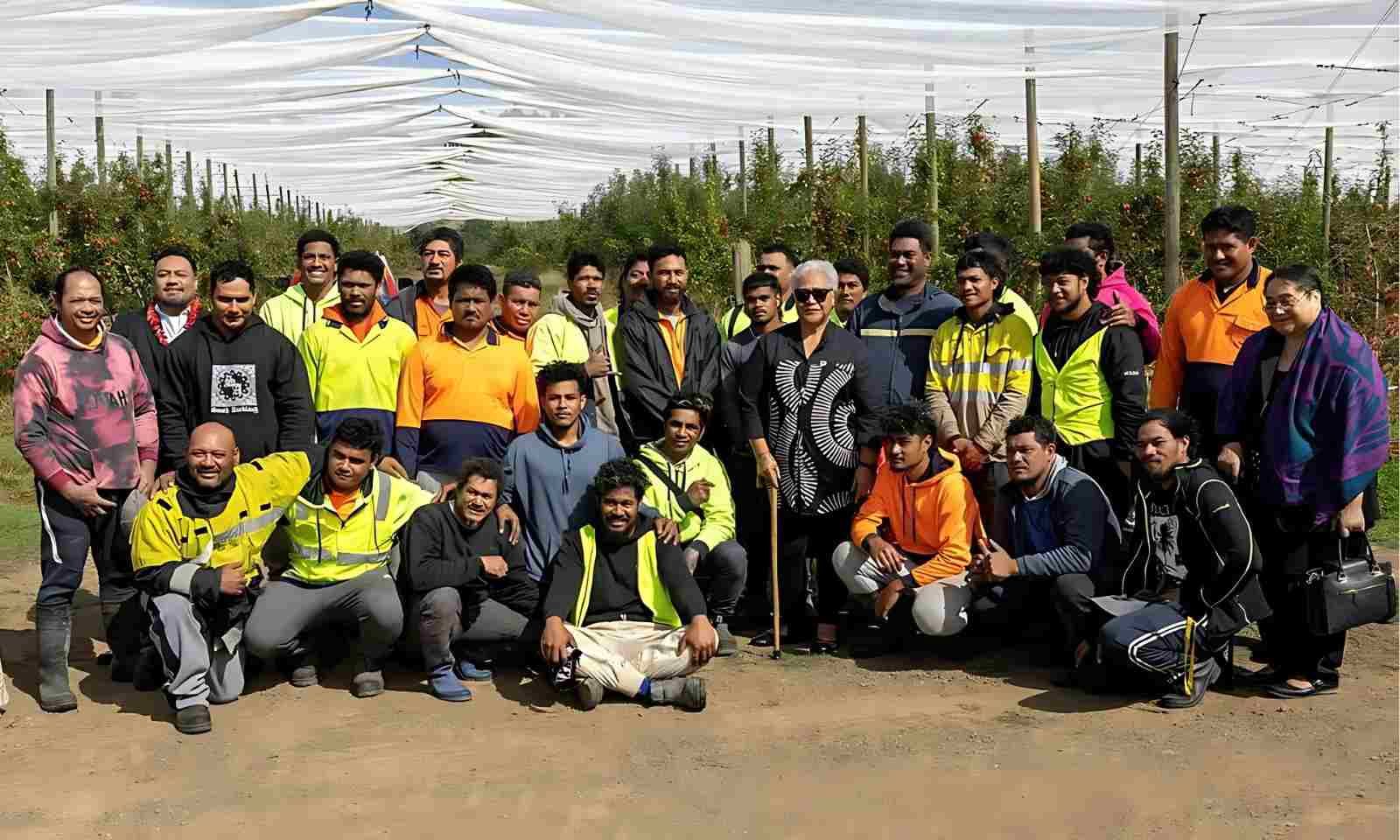
International Trade Union Confederation (ITUC) leaders say the decision strengthens protections for workers across Asia and the Pacific facing job insecurity and low wages. Photo/Facebook/Pacific Australia Labour Mobility scheme
The decision is being welcomed by unions worldwide after years of growing concern about restrictions on strikes and collective bargaining.
According to the ITUC’s 2025 Global Rights Index, the right to strike was violated in 131 countries including 91 per cent of countries in the Asia-Pacific region.
Australian union leaders have welcomed the ruling, saying it strengthens long-standing protections for workers to take industrial action without fear of punishment. They say it reinforces that the right to strike is central to fair wages, safe conditions, and collective bargaining.
For Pacific workers, the ruling could carry particular weight as many island nations continue to grapple with low wages, seasonal worker protections, public sector disputes, and rising living costs.
Pacific unions and labour advocates have increasingly raised concerns about worker exploitation especially involving migrant labour schemes and outsourced industries linked to tourism, transport, and infrastructure.
The court’s opinion comes after more than a decade of disagreement inside the ILO itself.
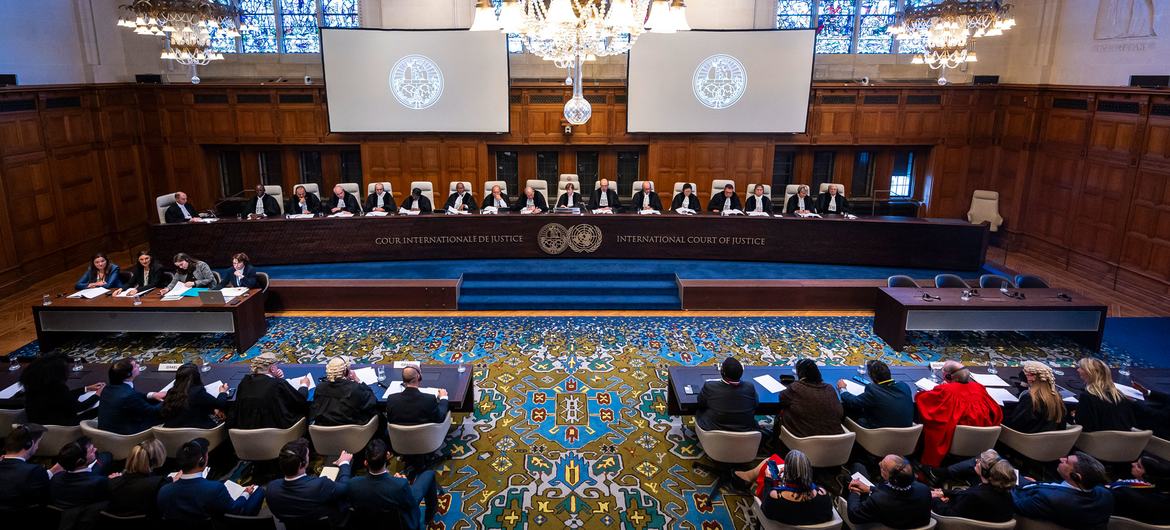
UN International Court of Justice judges at The Hague has ruled that the right to strike is protected under international labour law. Photo/ICJ-CIJ/Frank van Beek
Employers’ groups argued the convention never explicitly included a right to strike while workers’ representatives maintained that strike action is central to freedom of association and collective bargaining.
The legal dispute intensified in 2012 when employer groups within the ILO challenged decades of accepted interpretation that workers had a protected right to strike under Convention 87.
The ICJ’s ruling now gives significant legal backing to unions arguing that strike action is a fundamental labour right.
New Zealand’s Government has not yet issued a formal response to the ICJ advisory opinion. But trade unions have welcomed the ruling and are calling on the Government to move ahead with ratifying key international labour conventions.
Labour law expert Marcelo DiStefano says the right to strike sits at the centre of workers’ freedom to organise.
“It is impossible to understand freedom of association without the exercise of its three functions: the recognition of trade unions, collective bargaining and the right to strike," he told Equal Times.

The ruling follows years of dispute between employers and unions over whether the ILO’s 1948 convention includes the right to strike. Photo/ILO
Although ICJ advisory opinions are not legally binding, they carry major political and legal influence internationally and are often used to shape national laws and labour policies.
The ILO Governing Body is expected to discuss possible next steps later this year.
The ruling also lands at a time when labour tensions are rising globally.
The ITUC says governments in many countries are increasingly introducing laws that limit strikes through broad “minimum service” rules or tighter controls on protests and industrial action.
Listen to NZ PPTA President Chris Abercrombie's full interview on teachers bargaining with the government below.
French labour historian Stéphane Sirot warned that weakening strikes weakens workers’ ability to negotiate fairly.
“What determines the success of a strike is its ability to disrupt the economic system,” Sirot told Equal Times.
“If legislation is adopted with a view to making strike action as undisruptive as possible, it is basically as if its right to exist were denied.”
For Pacific workers, unions and governments, the ruling is likely to become an important reference point in future debates over labour rights, worker protections, and collective bargaining across the region.