
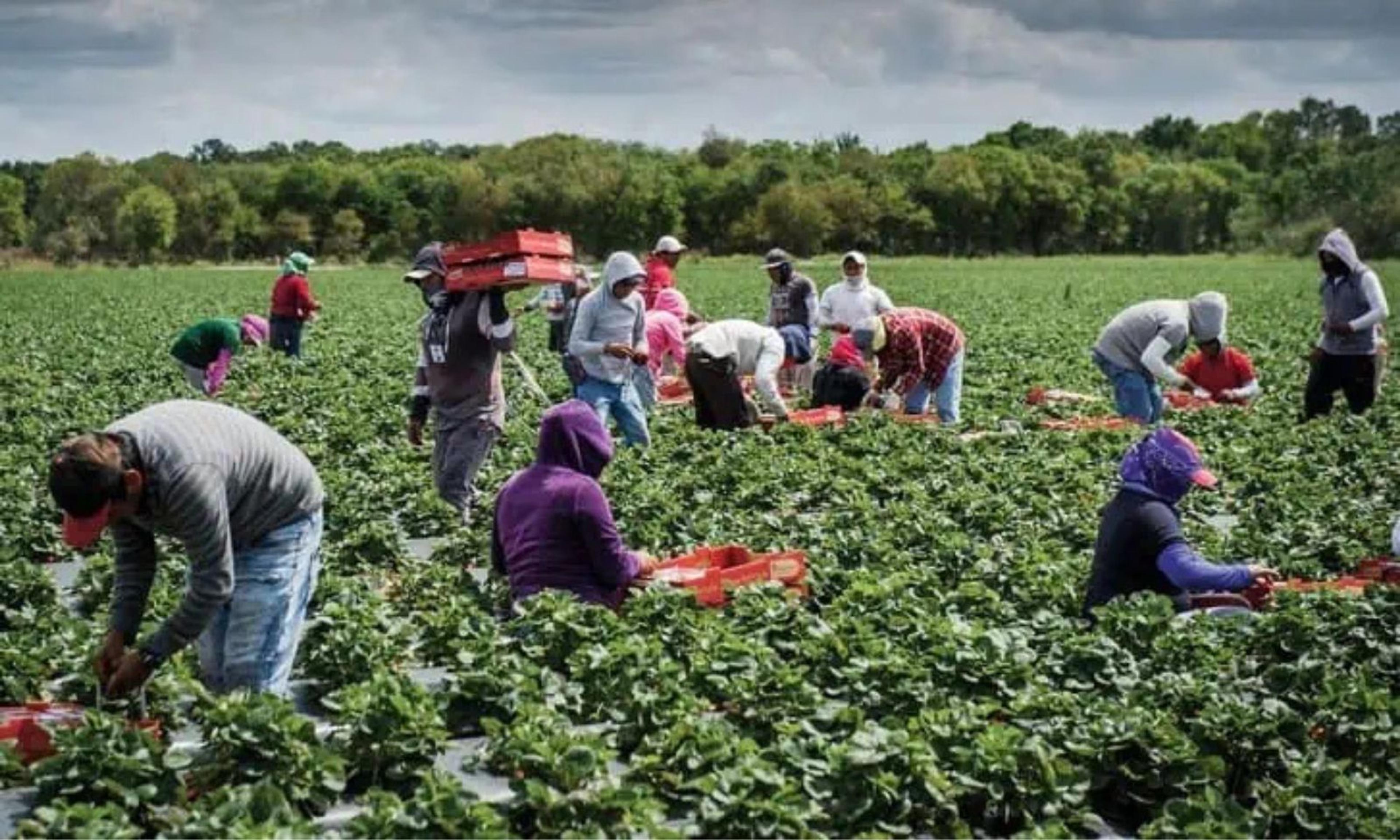
Pacific seasonal workers in the fields during harvest: new ILO findings call for urgent reforms to worker protections in Aotearoa and Australia.
Photo/Solomon Islands Ministry of Foreign Affairs
Business
Pacific labour schemes come under pressure as Aotearoa and Australia face calls for reforms
A new ILO report is driving urgent pleas for change as concerns grow over costs, conditions, and worker protections for Pacific seasonal workers.

Christine Rovoi
Published
22 April 2026, 1:34pm
Share
Copy Link

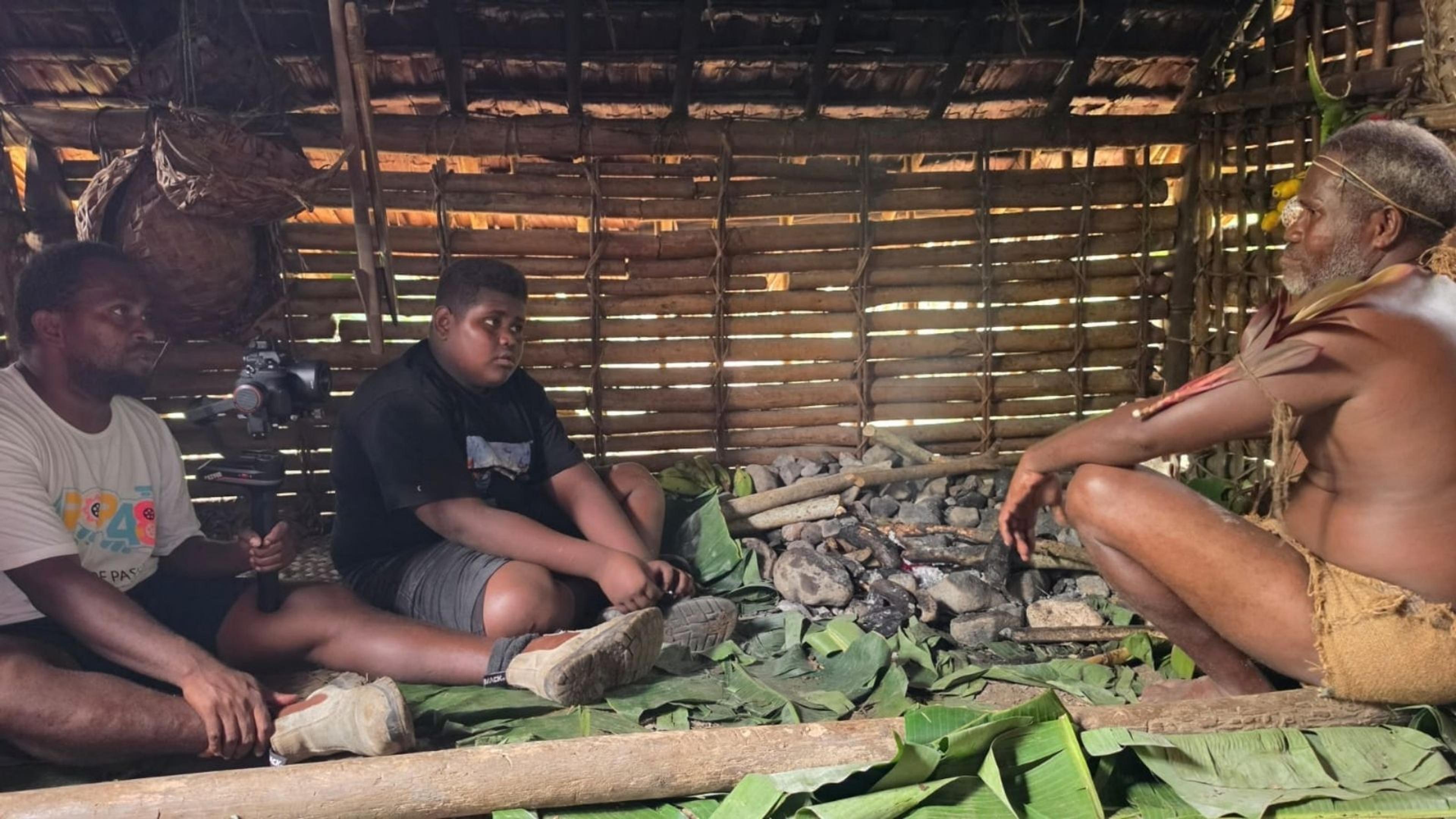
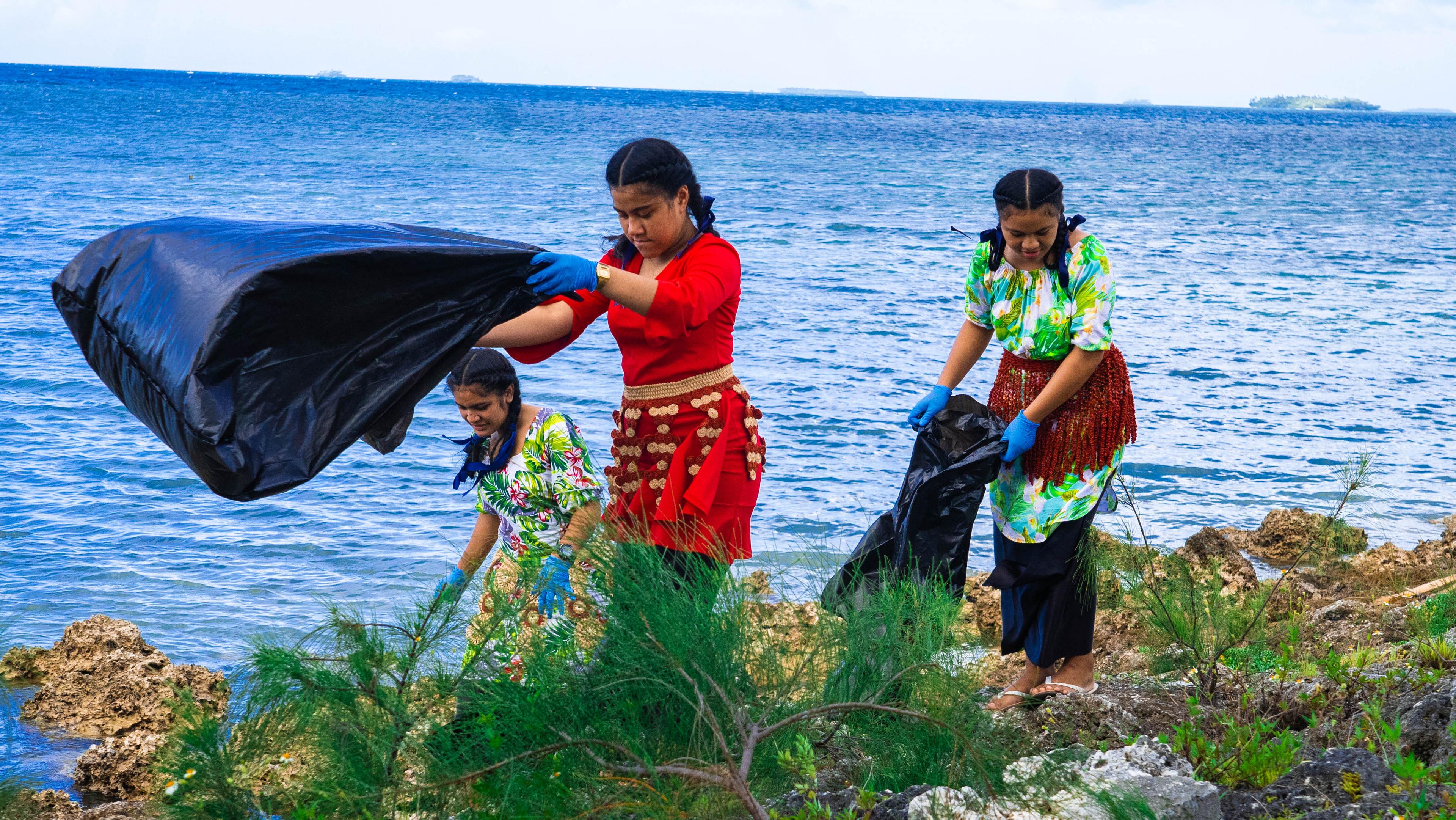
Pacific seasonal workers remain a backbone of farms, orchards, and regional industries across Aotearoa New Zealand and Australia but new International Labour Organization (ILO) findings say the systems built around them still need urgent reform.
More than 20,000 Pacific workers travel to New Zealand each year under the Recognised Seasonal Employer (RSE) scheme while over 30,000 are currently working in Australia under the Pacific Australia Labour Mobility (PALM) programme.
Both schemes are seen as vital lifelines for Pacific families, sending back millions in remittances. But the ILO says the balance between economic benefit and worker protection is still not right.
The report, Temporary labour migration schemes in the Pacific through the lens of international human rights and labour standards was released on 8 April 2026.
In Aotearoa, the report raises concerns about the upfront costs workers face before they even start work. This includes travel, recruitment, and accommodation with many arriving already in debt.
It also highlights concerns around speaking up. The report warns that workers who raise issues can be “vulnerable to blacklisting” when it comes time for possible re-hiring for another season.
The ILO adds that many workers do not formally complain because of cultural respect for authority and fear of losing future work opportunities.
The ILO also questions how accessible it really is for workers to change employers when problems arise.
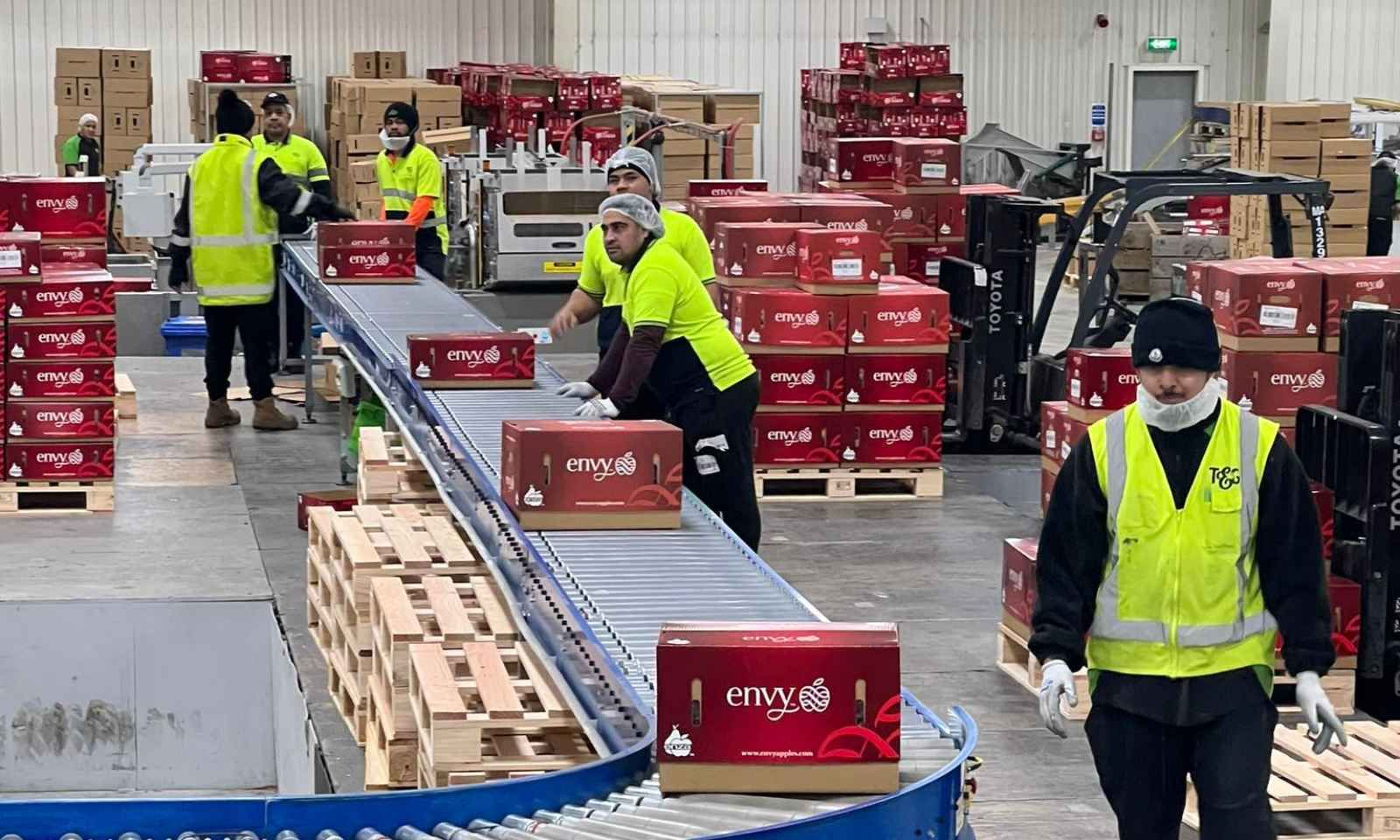
Seasonal workers from across the Pacific play a key role in New Zealand’s horticulture sector under the RSE scheme. Photo/Supplied
While transfers can happen in some cases through New Zealand’s Ministry of Business, Innovation and Employment (MBIE), the process is not always clear or easy to access.
The report calls for better access to healthcare, clearer rules on accommodation costs, and stronger oversight of labour hire companies.
Advocates linked to Pacific community organisations and research groups have also warned that tied visas can leave workers vulnerable.
They argue many feel unable to raise complaints about conditions for fear of losing their jobs or being sent home early.
Rochelle Bailey, a researcher who has worked on Pacific seasonal labour issues, has repeatedly raised concerns about worker protections and the imbalance of power between employers and workers.
“So when you do see workers speaking out, they are taking a massive risk.”
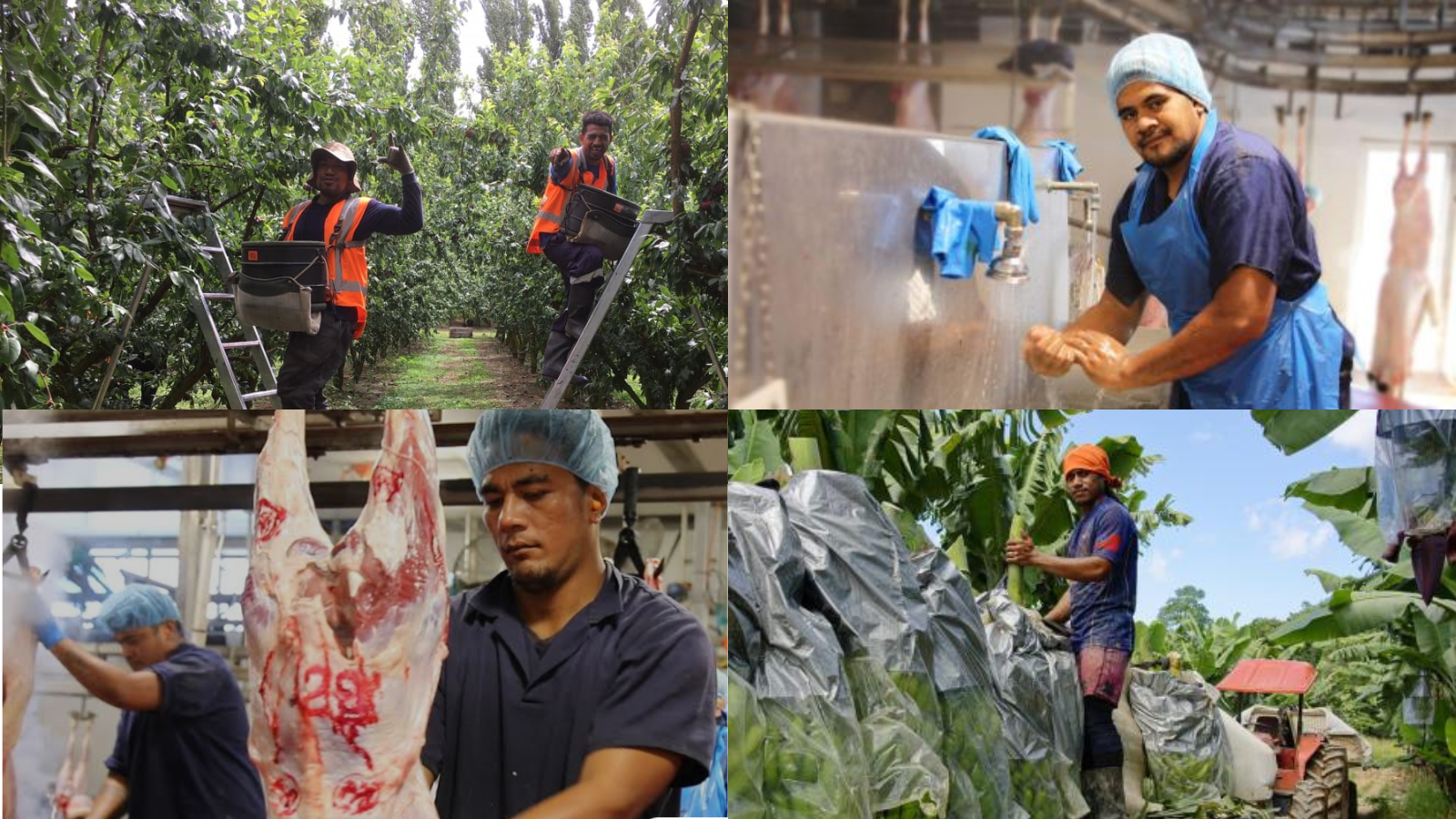
Pacific workers under Australia’s PALM scheme continue to support regional industries, with reforms under discussion to improve conditions and protections. Photo/Supplied
The ILO is also calling for a stronger focus on inclusion including a review of “the participation of women and other underrepresented groups in both work schemes.
“Further strengthening these schemes in line with international labour standards will help ensure their long-term success and benefit workers, employers and countries of origin and destination alike,” ILO Pacific office director Martin Wandera said.
Some employers in New Zealand say they are already going beyond minimum requirements to support staff.
A survey linked to MBIE found many had helped workers with additional assistance including sending goods home.
More than half of those surveyed had helped fund or organise shipments back to workers’ home countries, including “building materials, tools, water tanks, solar panels, generators, school supplies and household goods” as well as support during disasters.
In Australia, attention is also building around the PALM scheme as it continues to expand across agriculture, meat processing and regional industries.
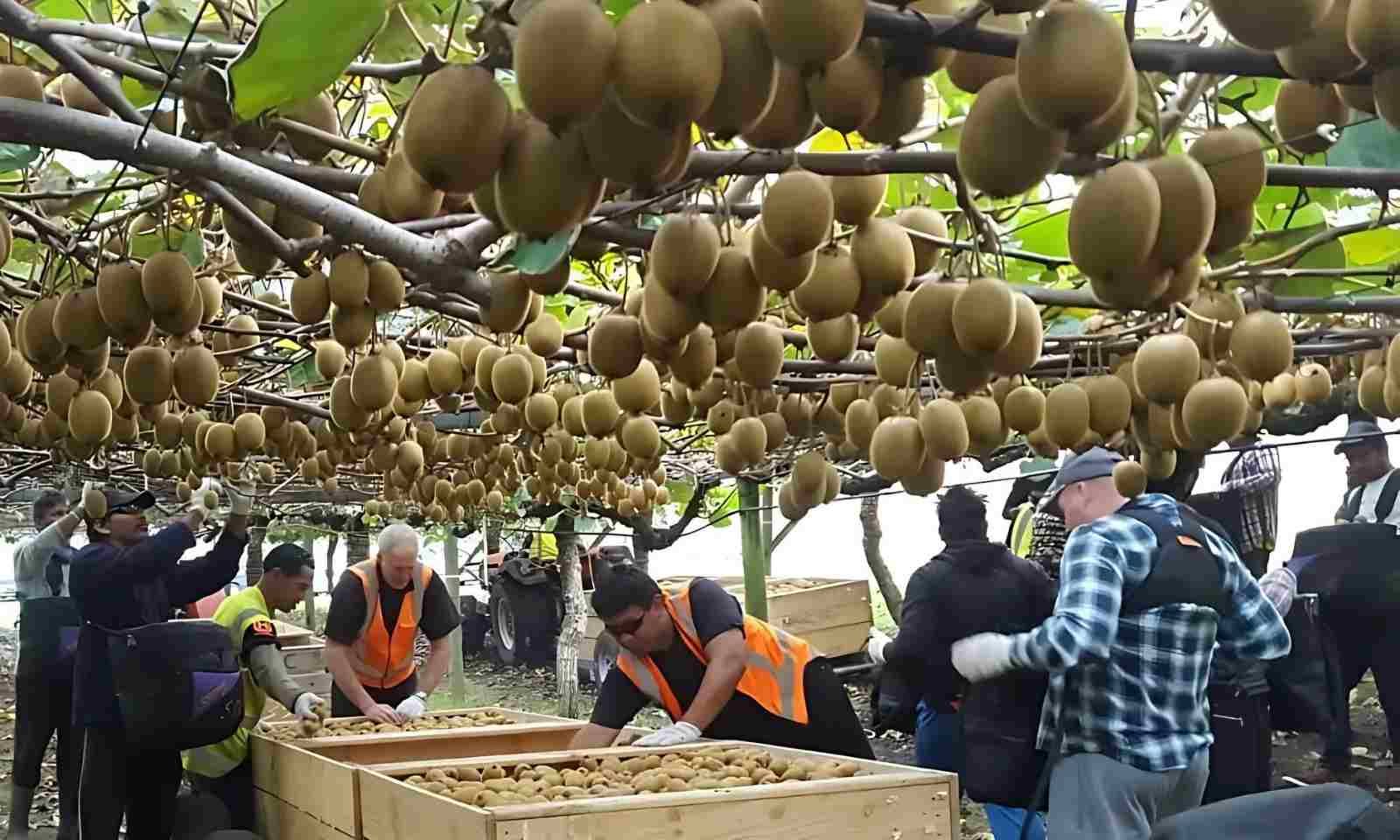
Advocates say many seasonal workers feel unable to speak up about conditions, fearing they could lose future work opportunities. Photo/Facebook/baykiwifruitcontracting
Recent parliamentary discussions have focused on worker movement between employers, access to healthcare, and concerns about workers leaving restrictive contracts.
Worker advocates have also raised wider concerns about the system across the region.
But beyond workplace conditions, there are also growing concerns about the impact on Pacific communities back home.
Regional security expert Viliame Bovoro from the Pacific Fusion Centre says the issue is not the schemes themselves but the ripple effects they are having on families and village life.
Speaking with William Terite on Pacific Mornings, Bovoro said: “Let me say the RSE and the PALM schemes are very beneficial. Don’t get me wrong on that. It’s really about sort of the unintended consequences of some of these things.”
He says in some countries, the scale of labour mobility is already reshaping daily life.
Watch Vilame Bovoro's full interview on Pacific Mornings below.
“There’s a country in the Pacific that has one in five men between 18 to 29 away from their country regularly.”
“It’s impacting the village life, how village duties are being, even how family duties are being distributed right down at the individual level.”
Bovoro says these changes are starting to affect how communities function, especially as long absences become more common.
“Once we see our cultural traditions, our societal norms begin to be drastically impacted by the security threats… this will have a huge impact on our family communities.”
He adds that labour shortages are also emerging at home.
“When you have a large number of your skilled workers coming away from your country, then there’s a gap… and then there are certain flow and knock-on effects from that, that then countries need to deal with.”
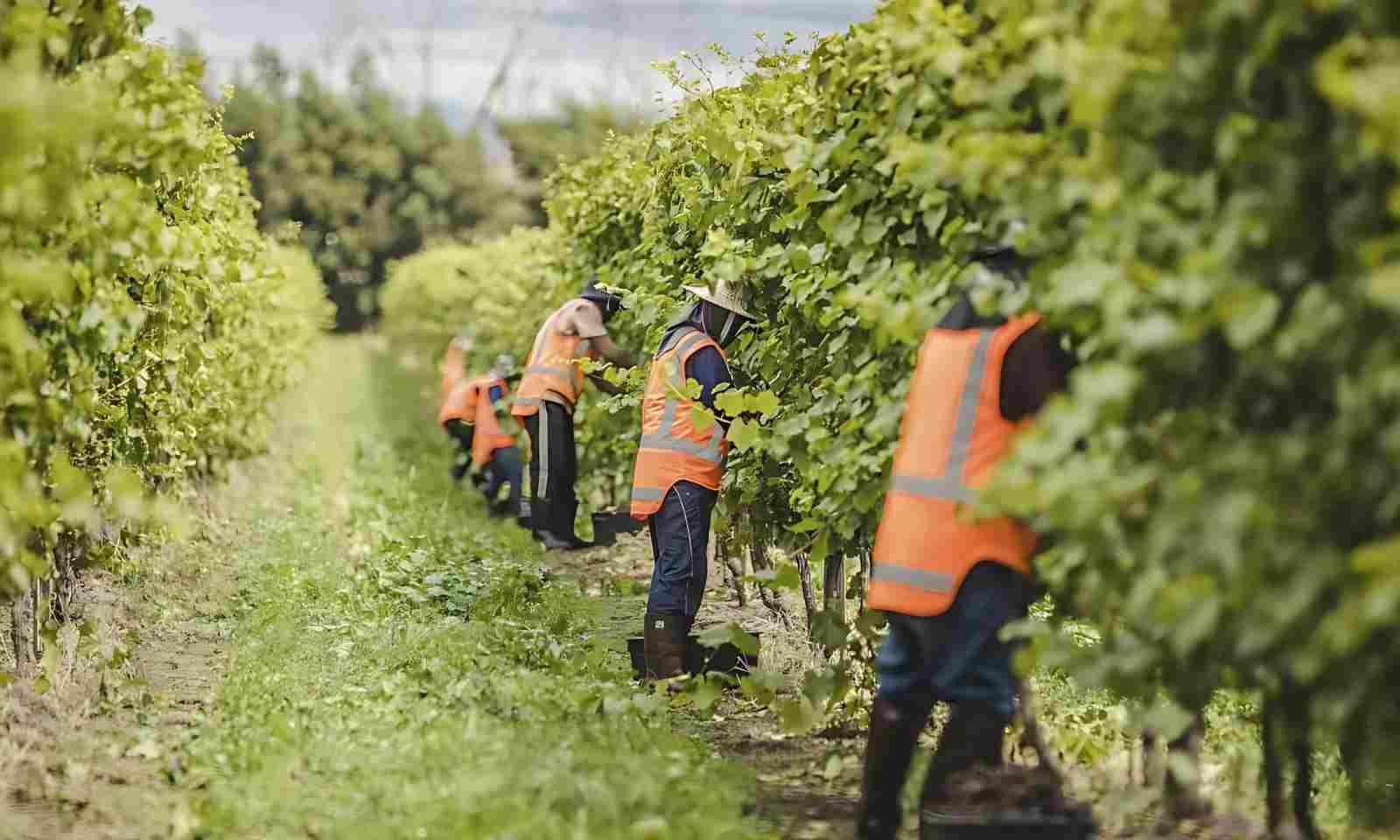
Seasonal workers in the fields as labour schemes face growing calls for reform over conditions and protections. Photo/CQ Univeristy, Australia
“If you look at Fiji, Fiji is now beginning to bring in workers from Southeast Asia to fill some of these labour skill shortages.”
Bovoro says while countries like New Zealand and Australia are working to respond, keeping up will be key.
“If we are lagging in our responses to making sure that these impacts are taken care of, that will then have a negative impact.”
“All these things are beginning to have an impact. It’s going to become impactful on the development pathway that our region is going on.”
Michele O’Neil, the Australian Council of Trade Unions president, has warned the scheme “is posing a modern-day slavery risk”.
From July 2024, PALM workers must be guaranteed at least 30 hours of work per week.
Watch Greg Traill, Fiji’s newly appointed Country Liaison Officer for the RSE scheme in New Zealand, and his talanoa with Elenoa Turagaiviu on PMN Fiji below.
The move aims to improve income stability but has also increased pressure for employers.
There are also ongoing discussions about allowing long-term workers to bring their families, a reform already agreed but still being rolled out.
Across Aotearoa and Australia, the direction from the ILO and regional voices is consistent: seasonal work schemes are delivering major benefits for Pacific families. But worker protections, costs, and conditions are now under sharper focus.
As reforms continue in Wellington and Canberra, the debate is shifting to whether these programmes can better reflect the lived reality and voices of Pacific workers who keep them running.
This story has been updated to include Pacific security expert Viliame Bovoro's comments.